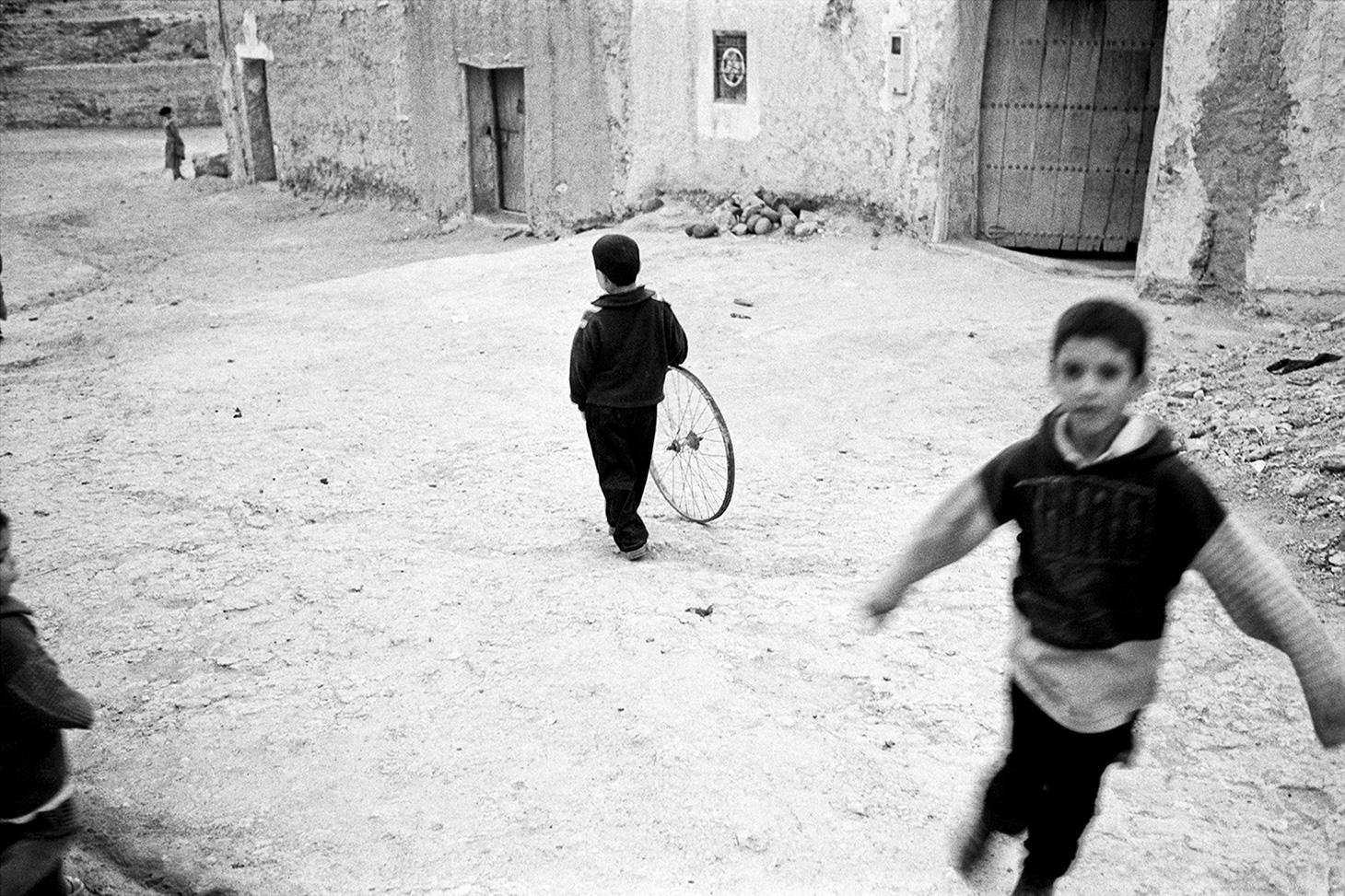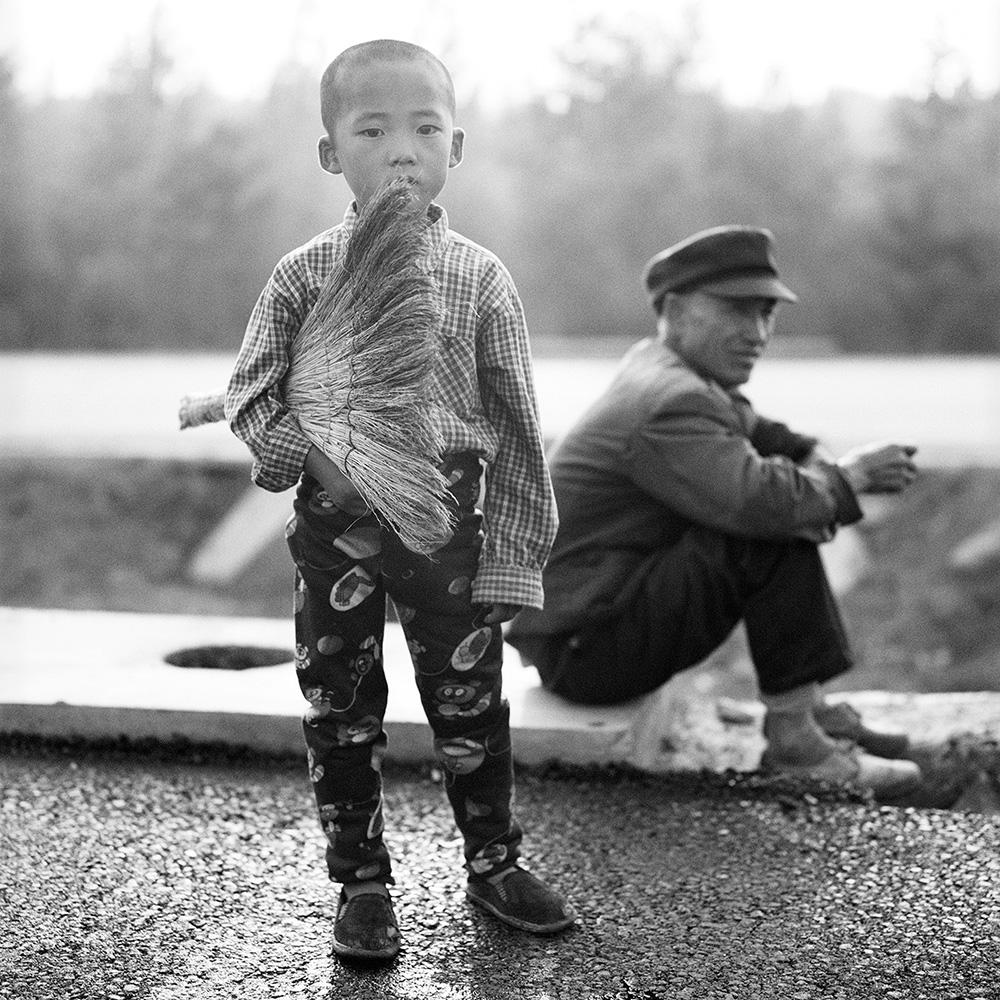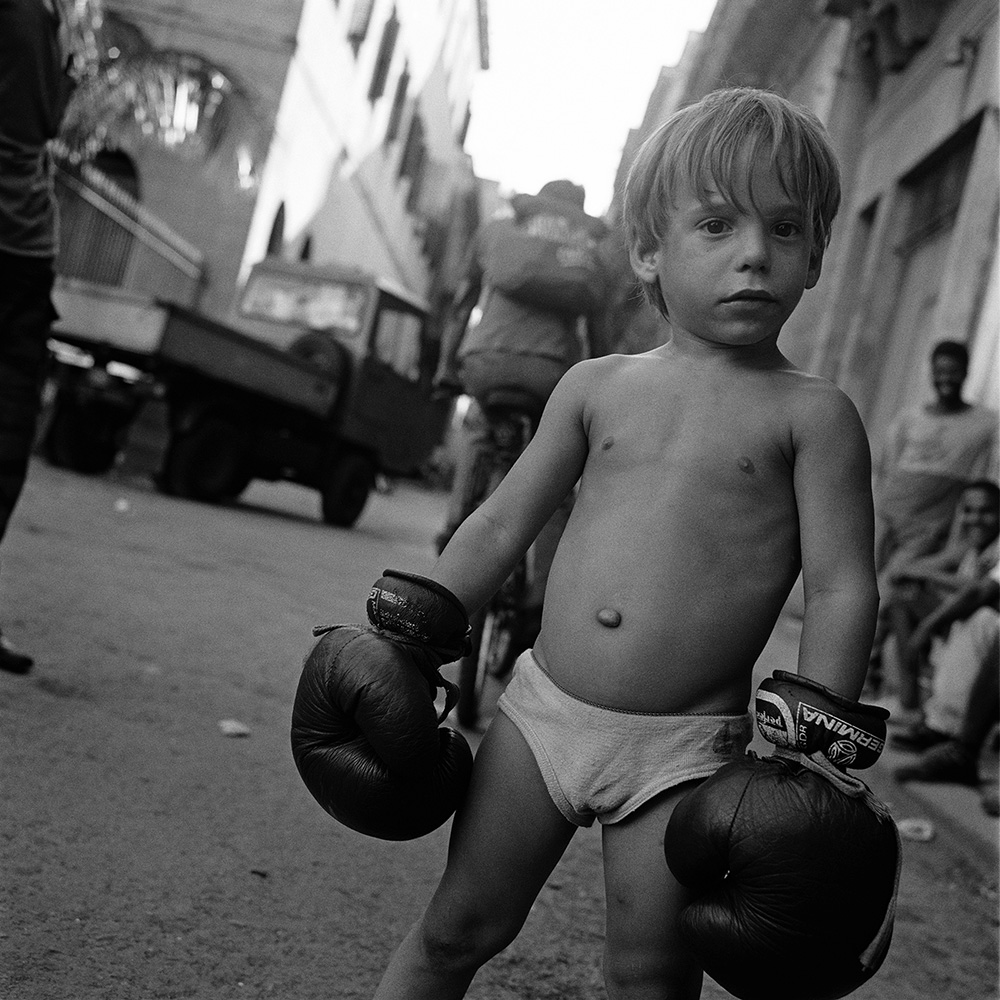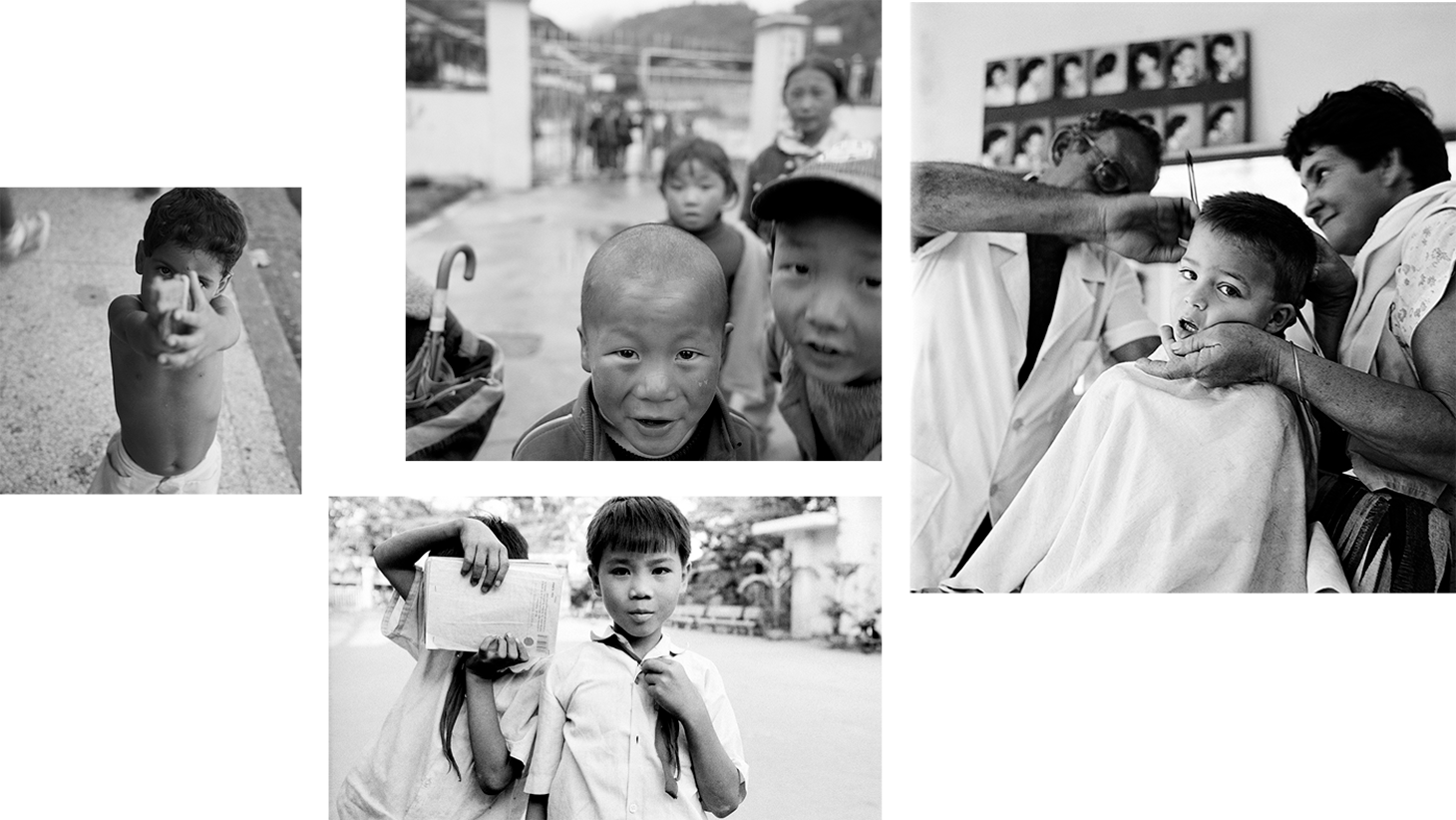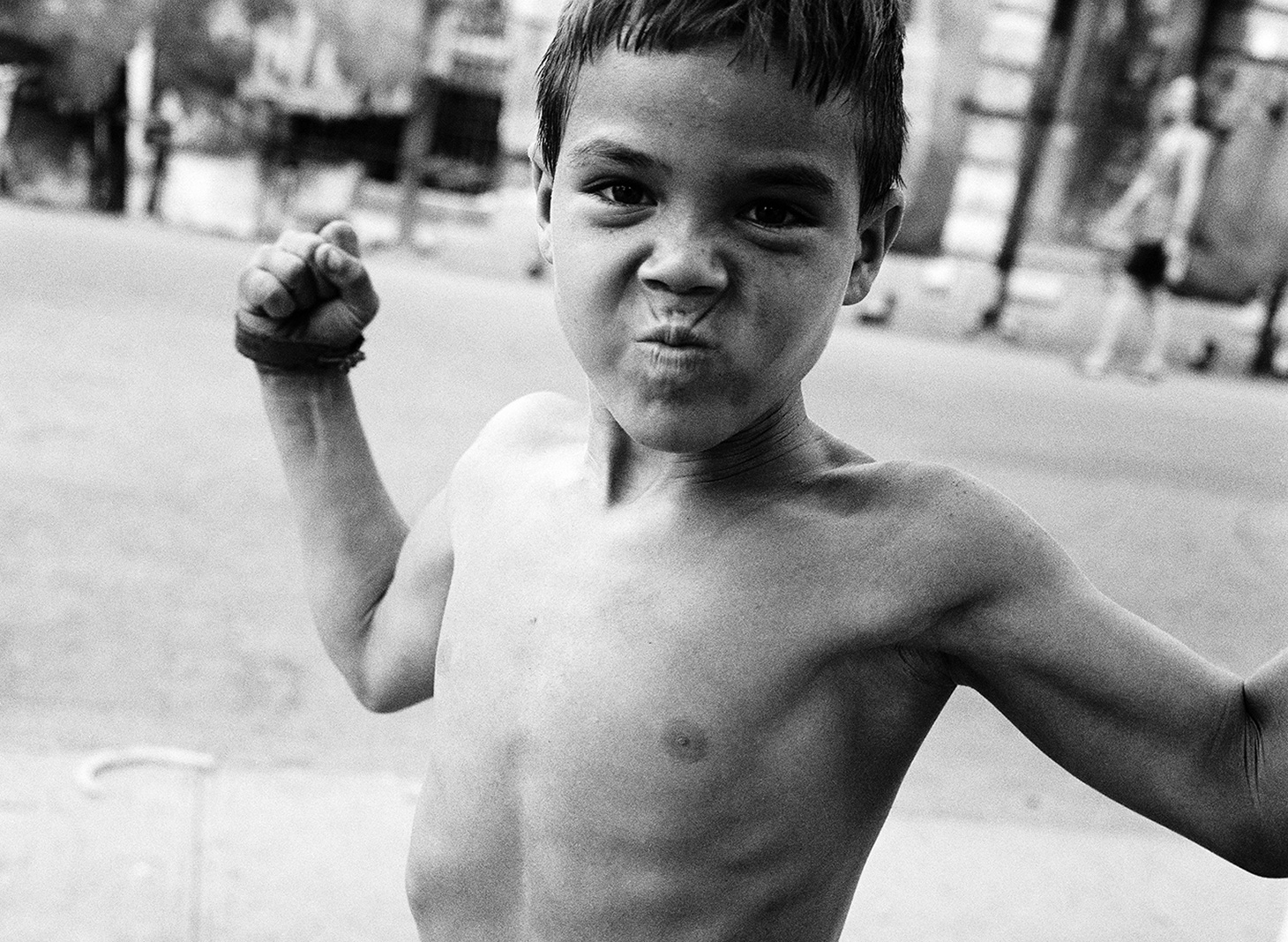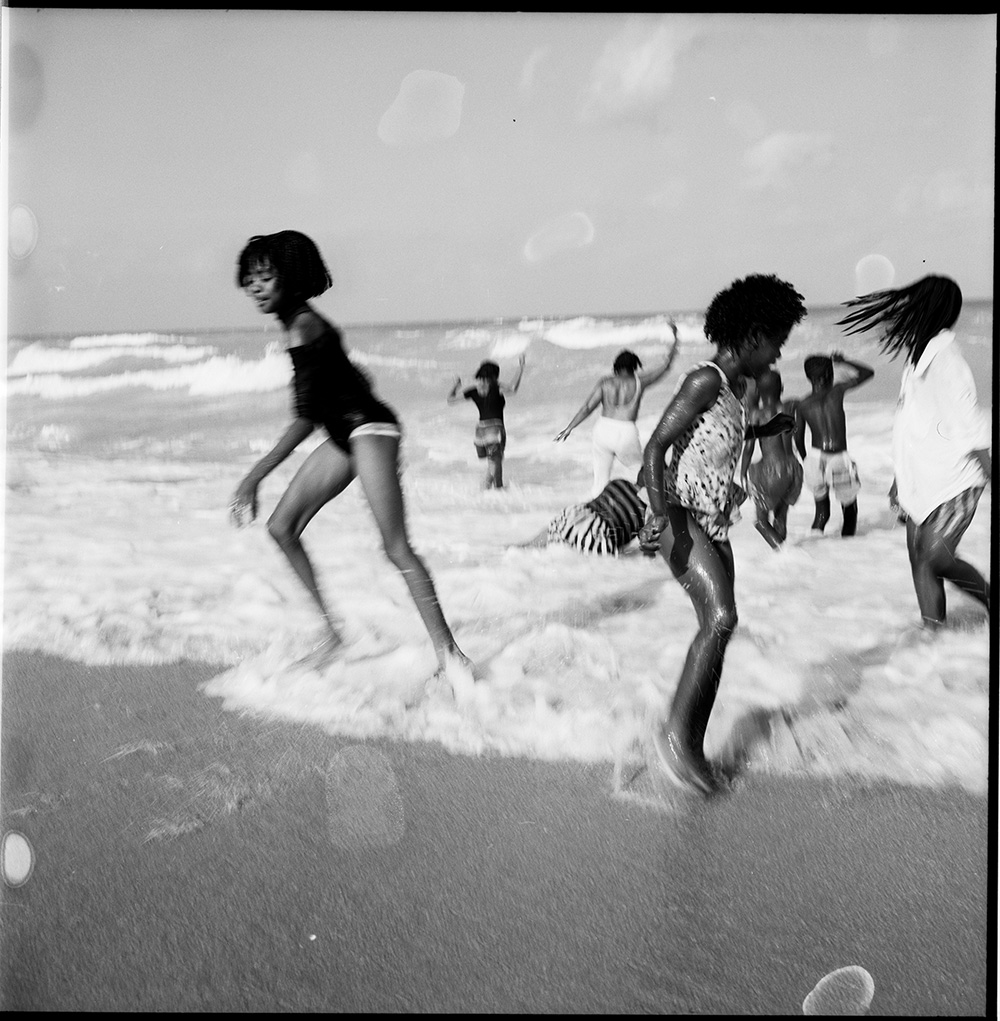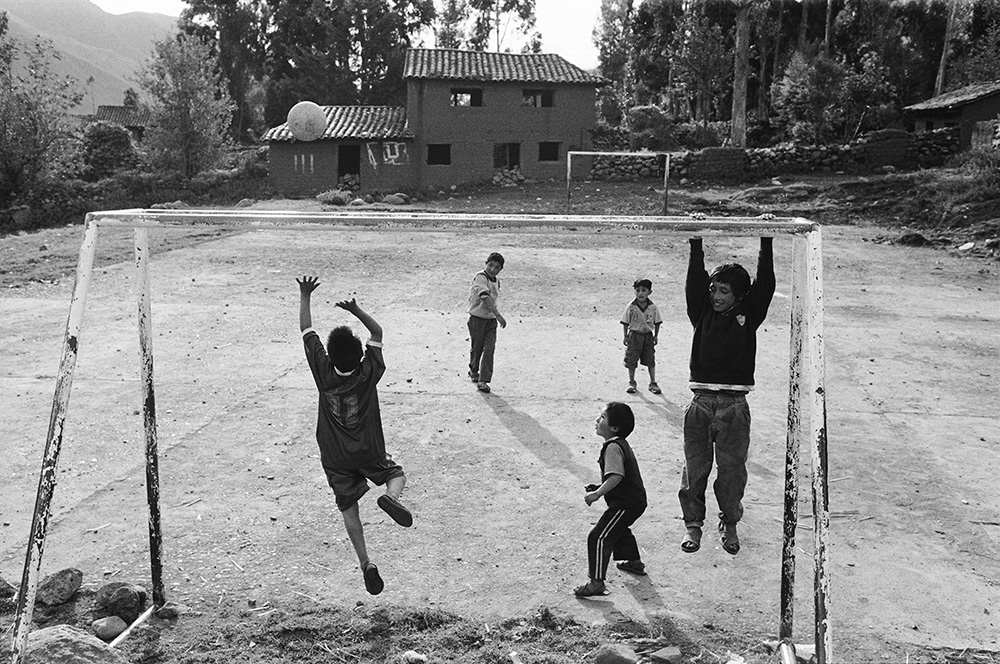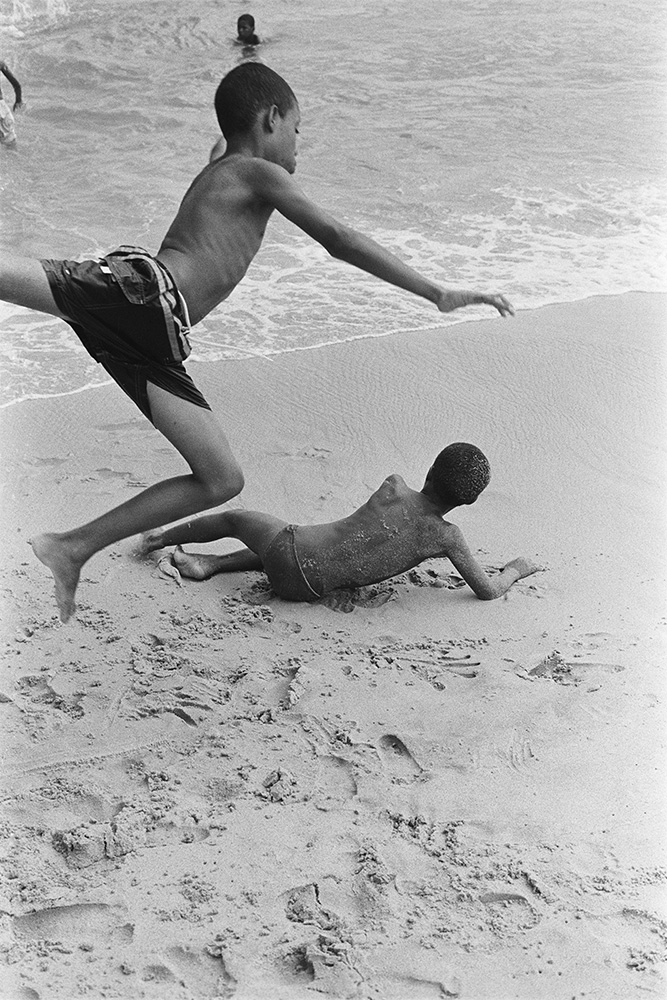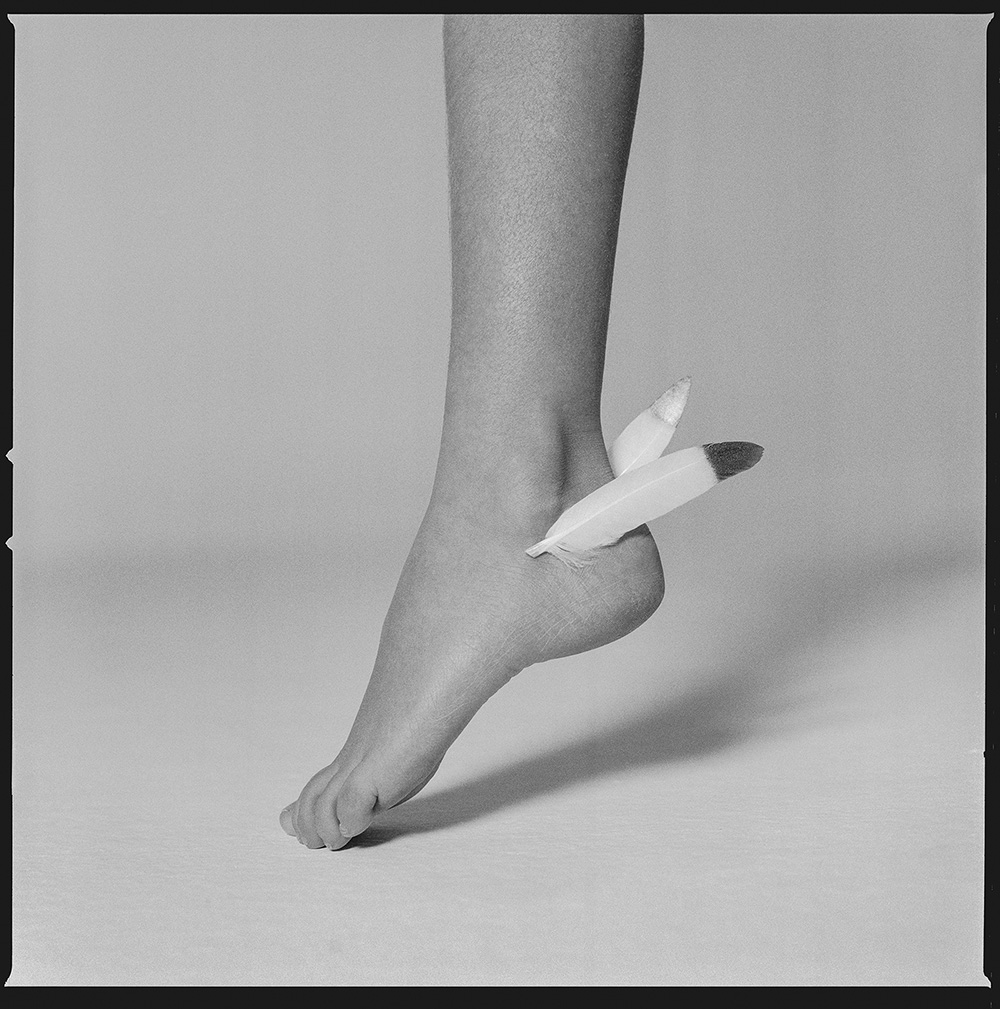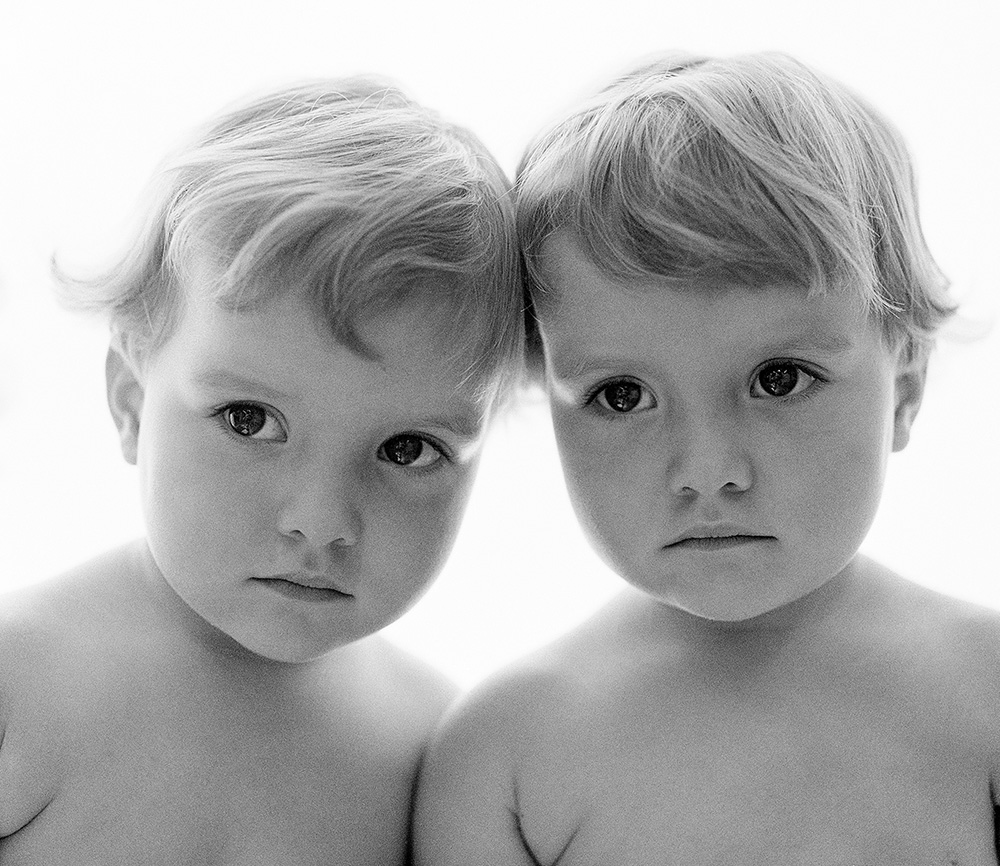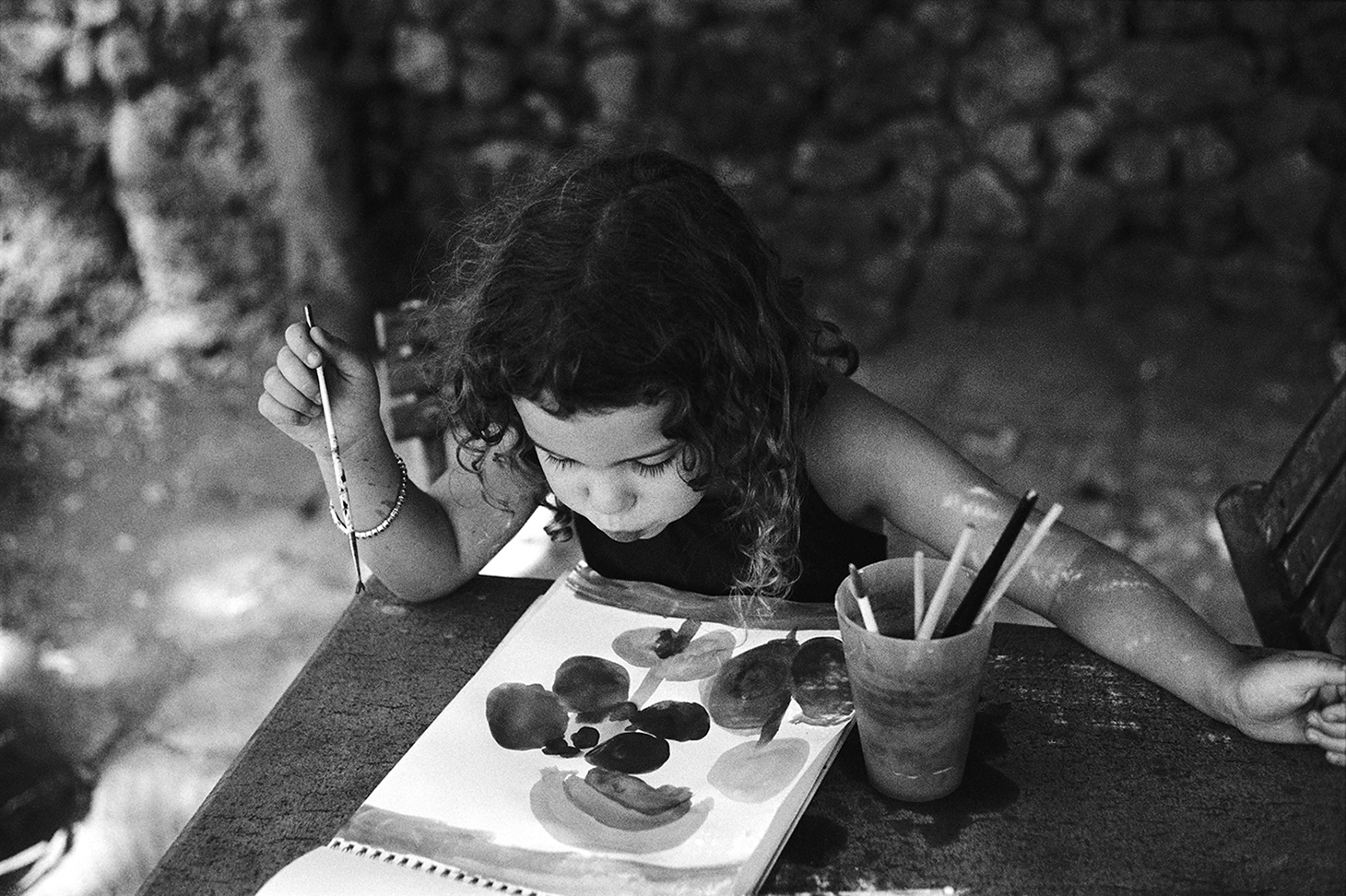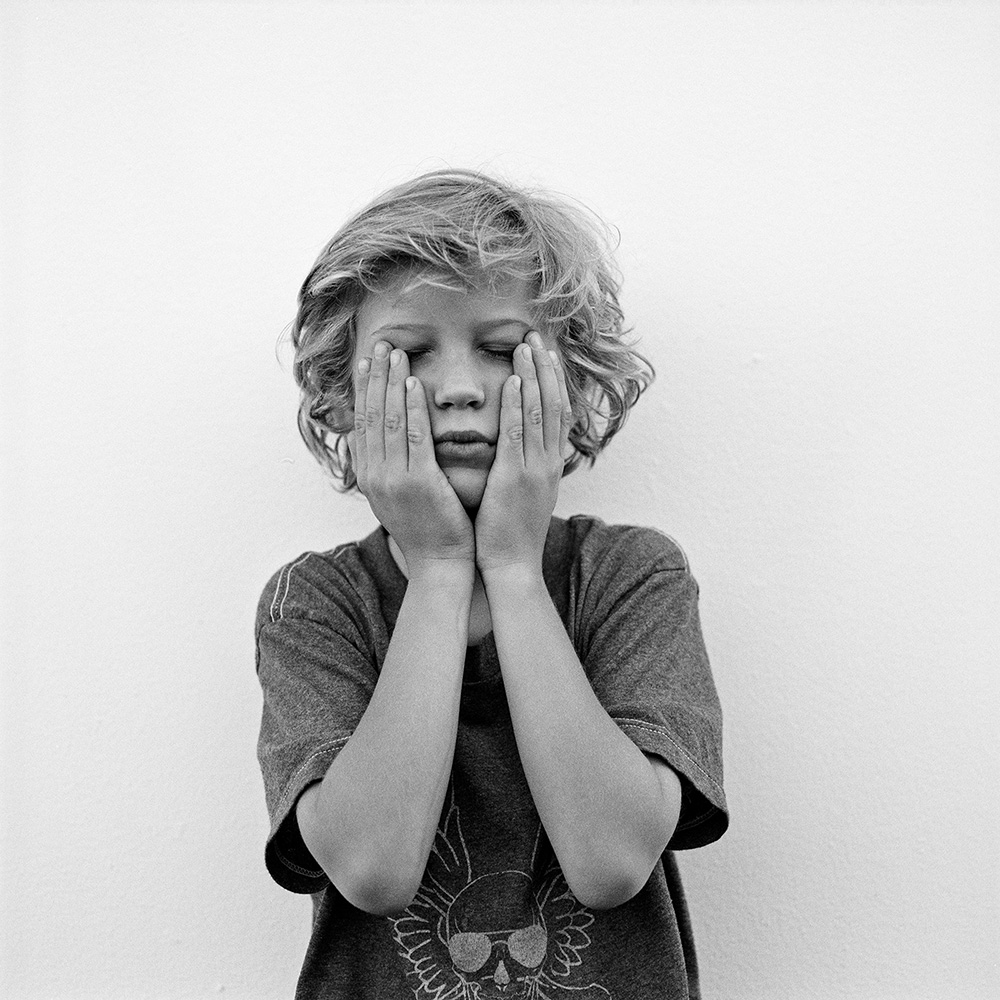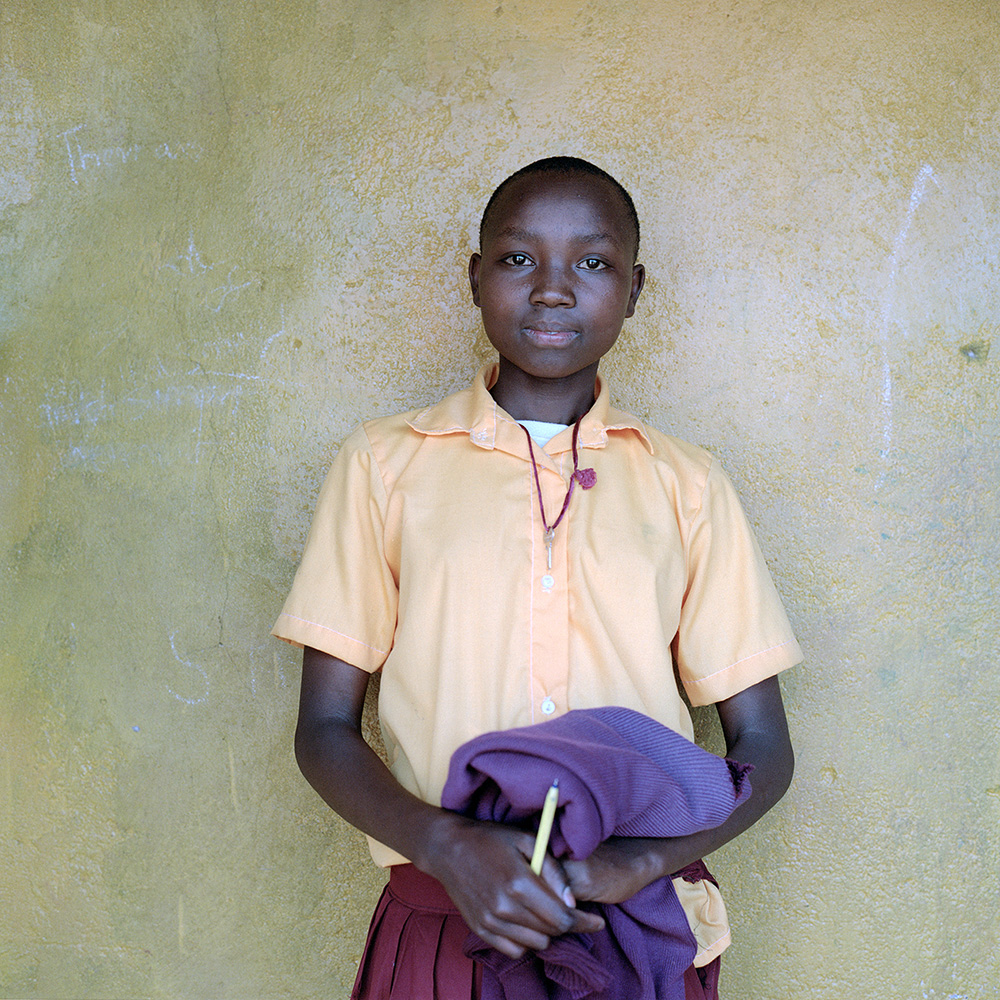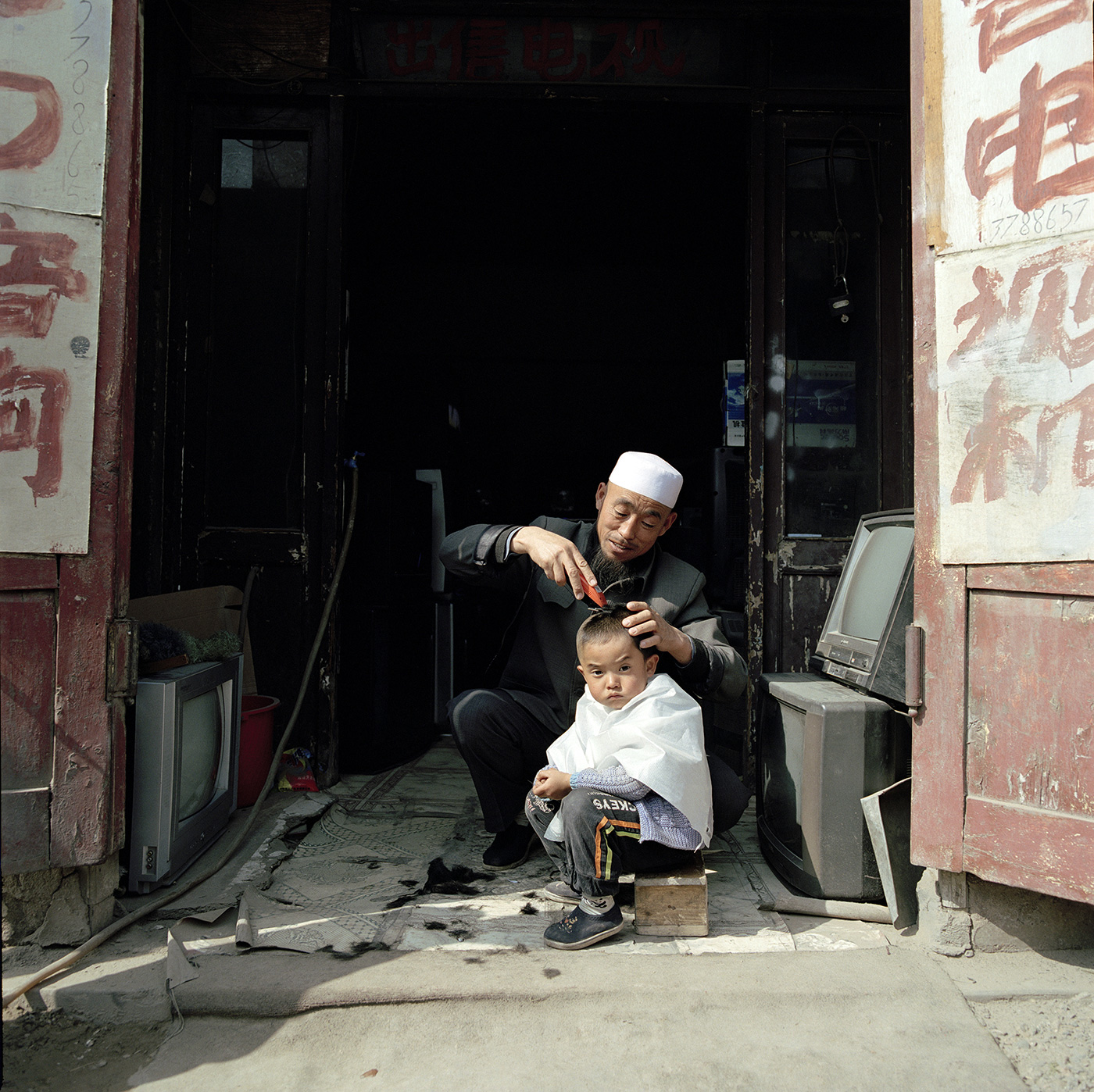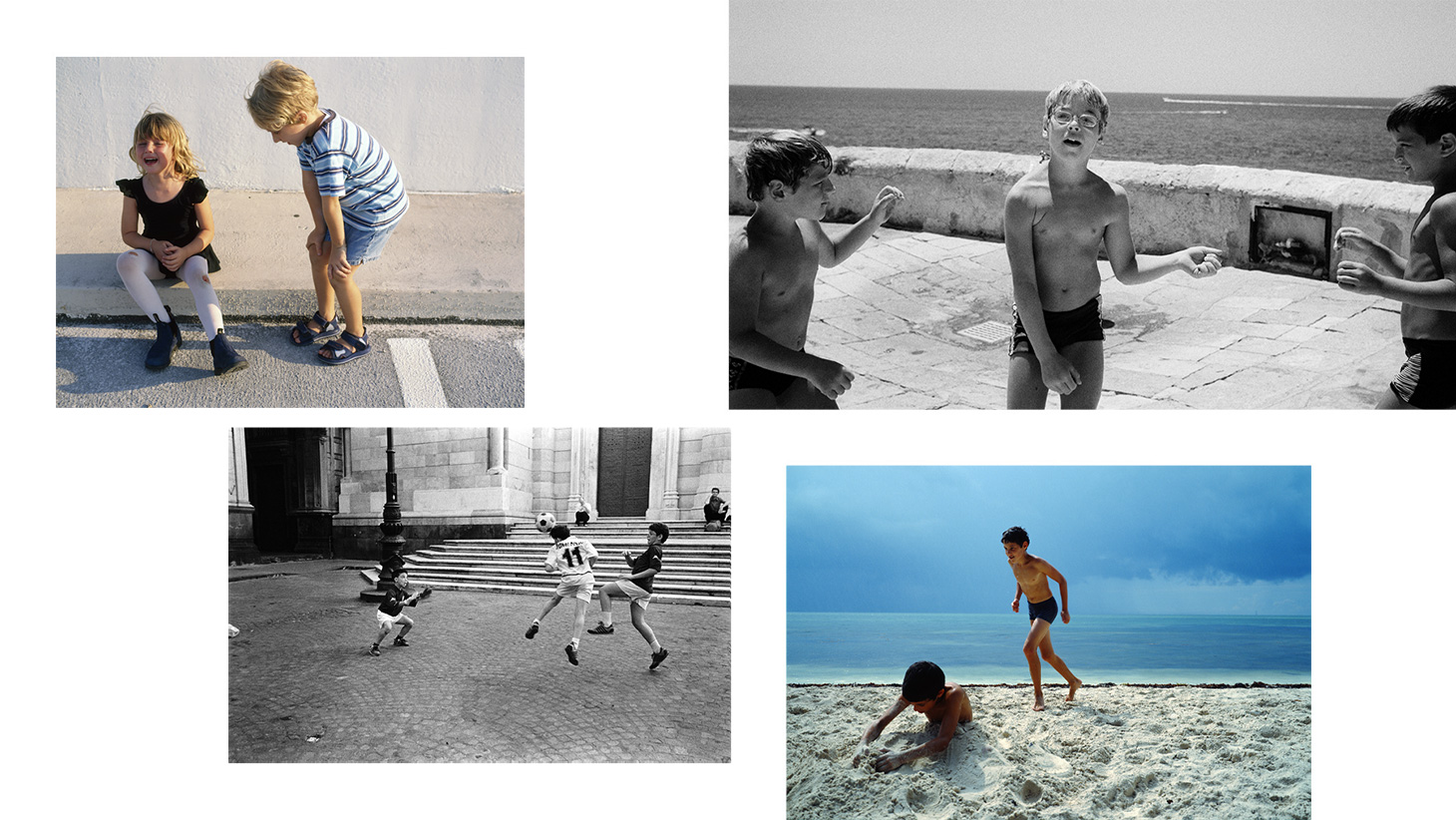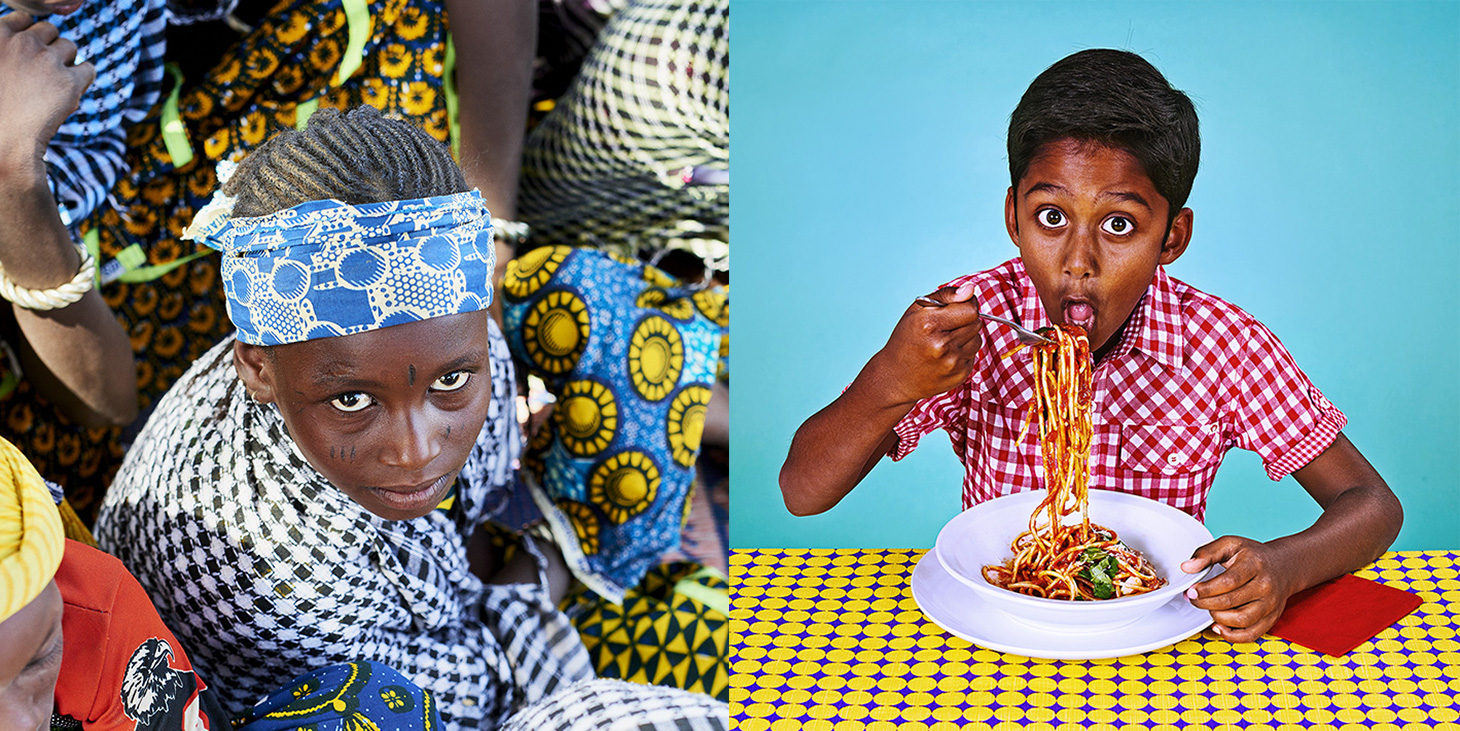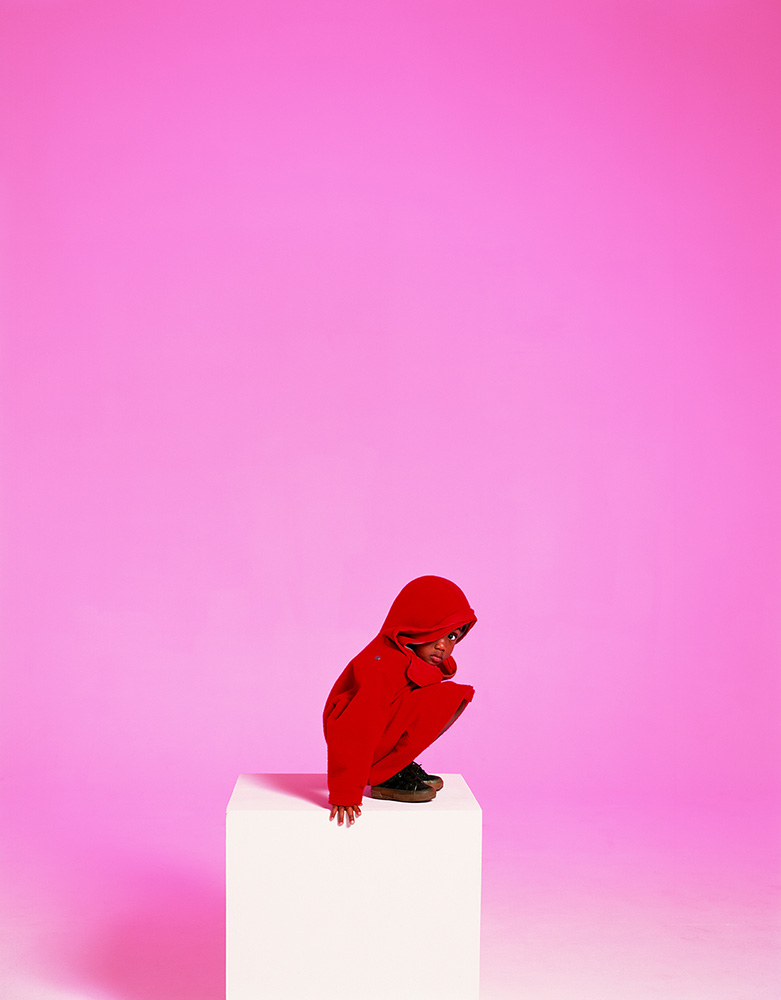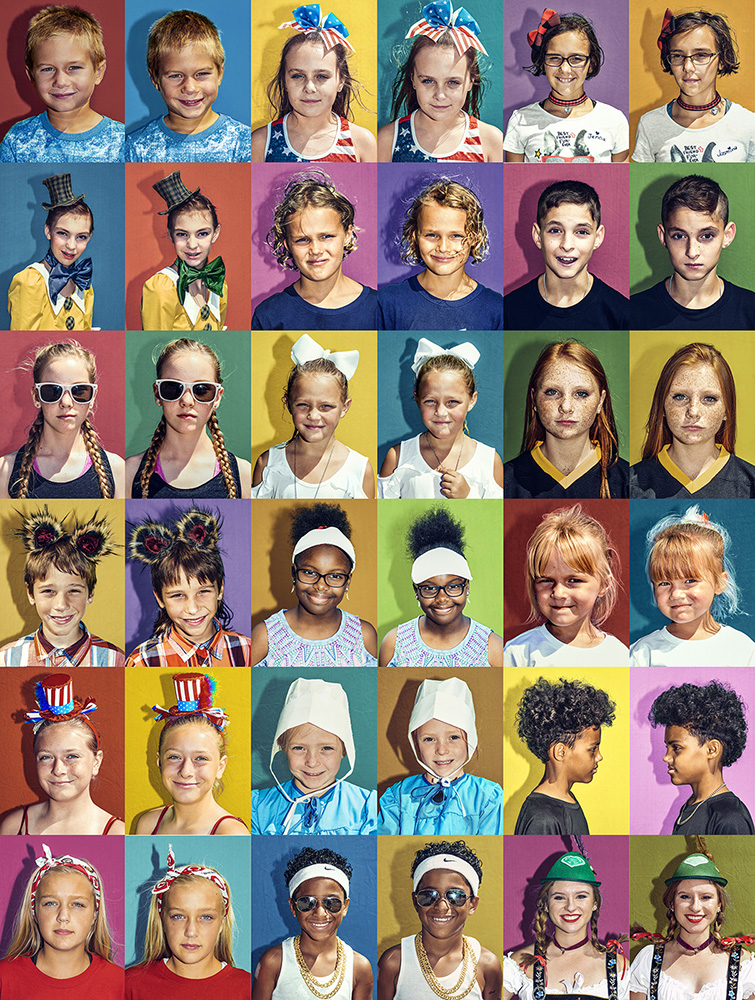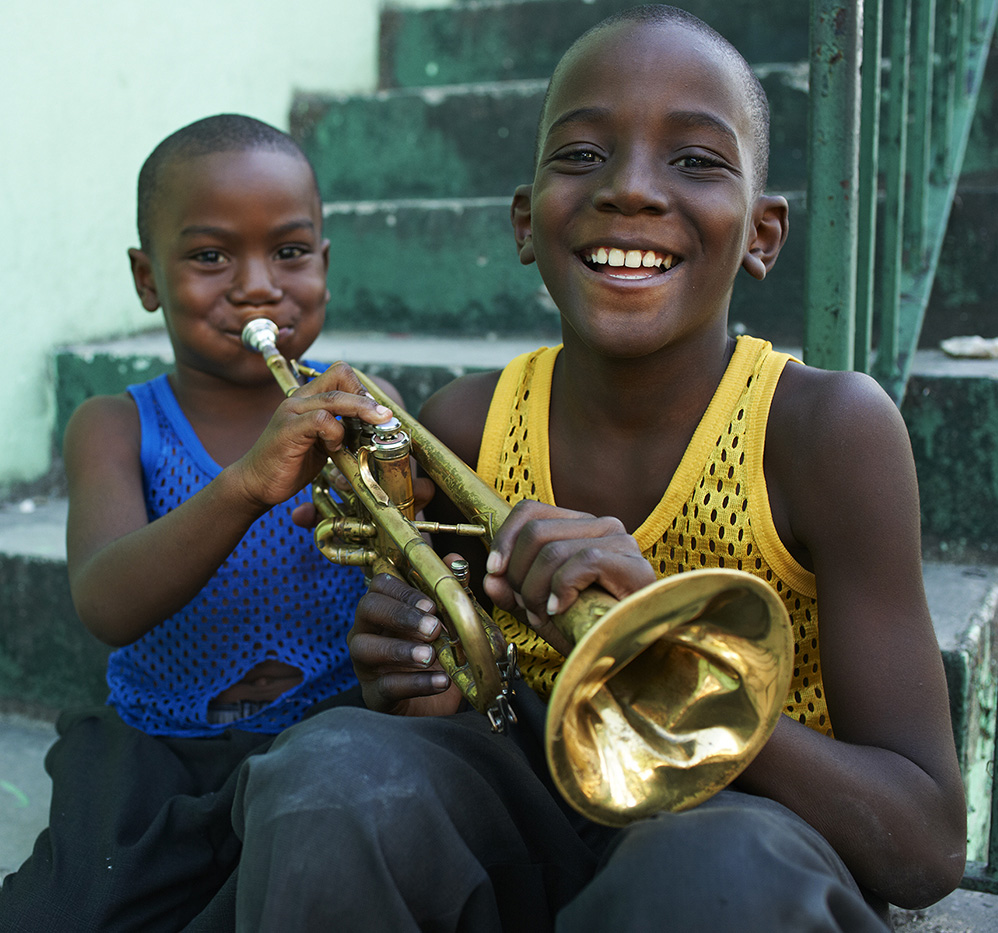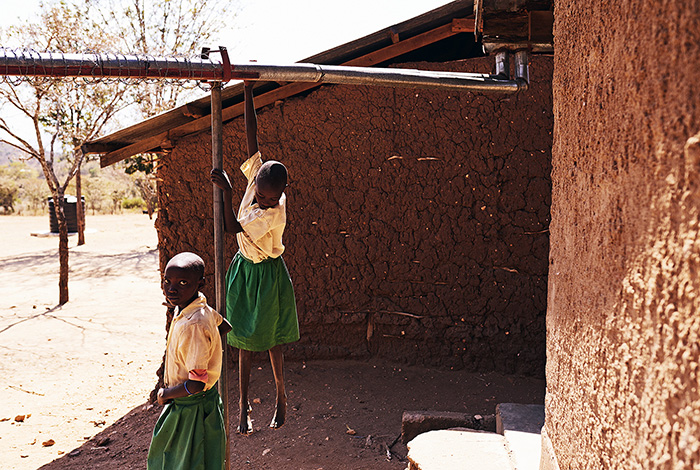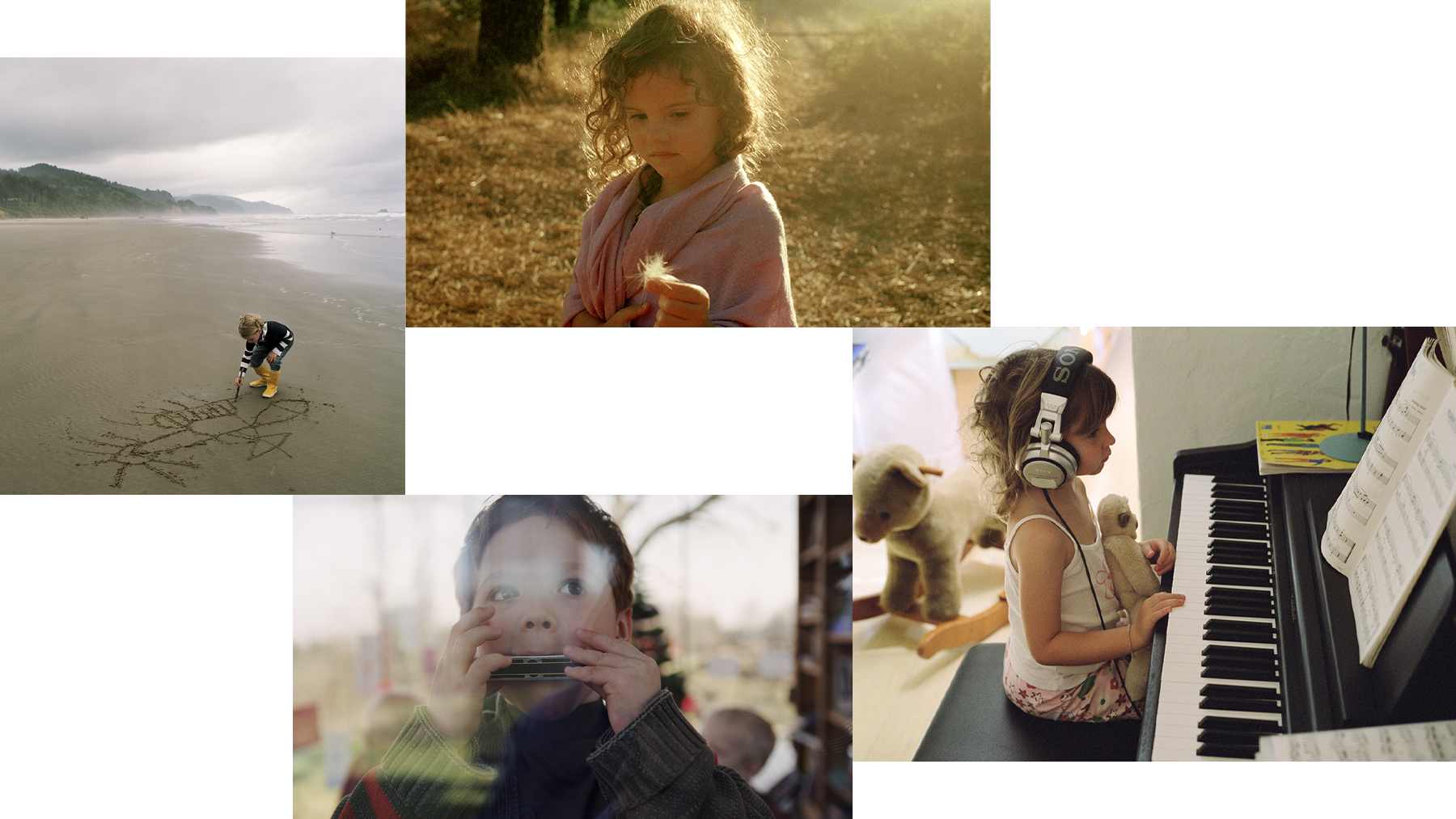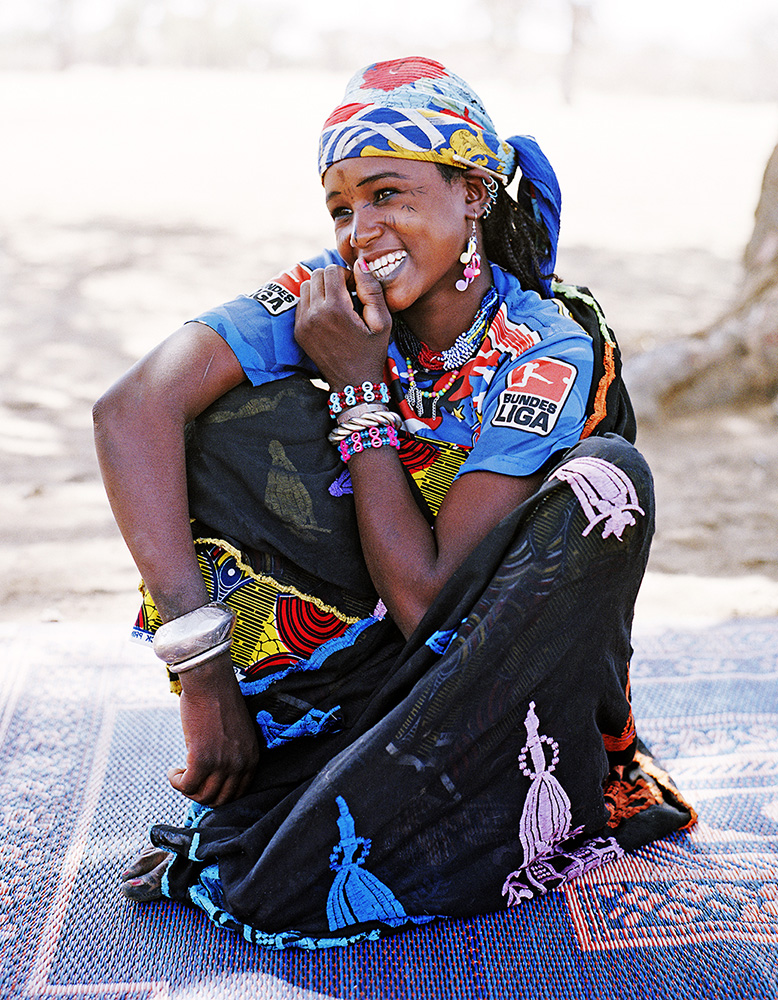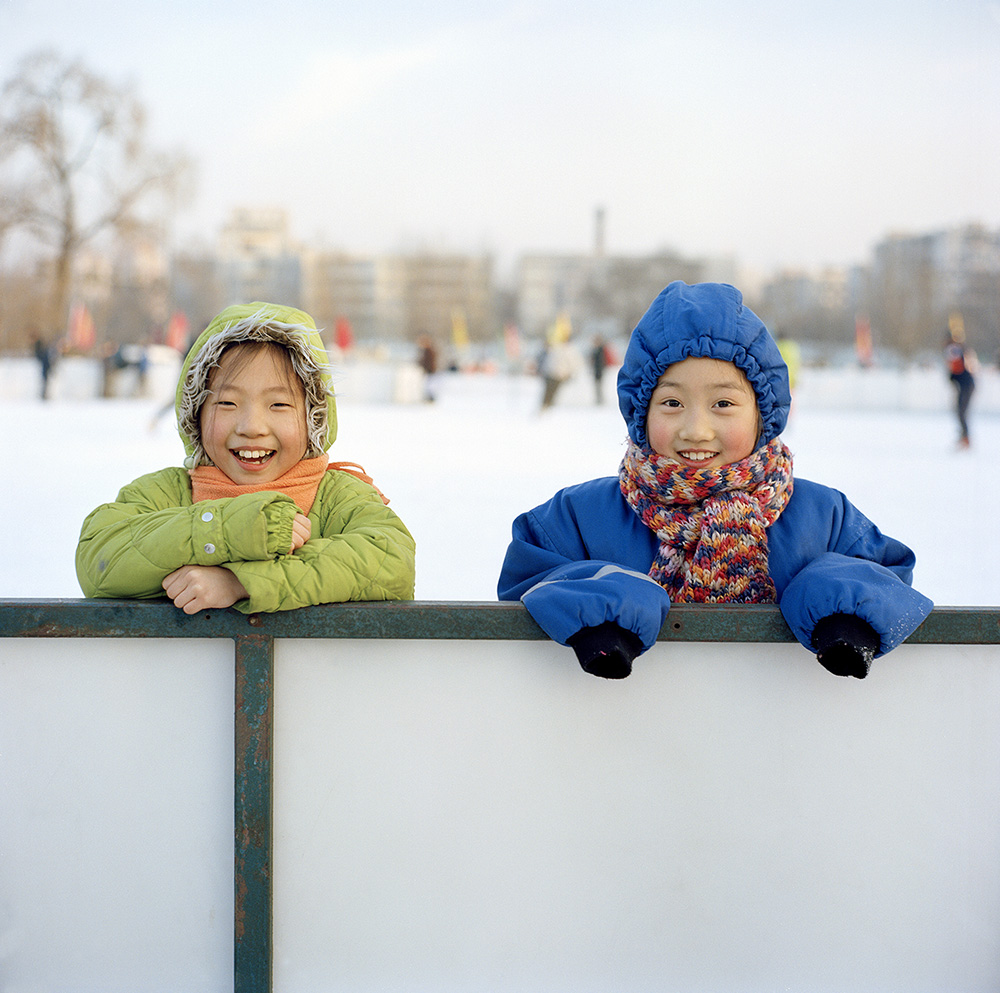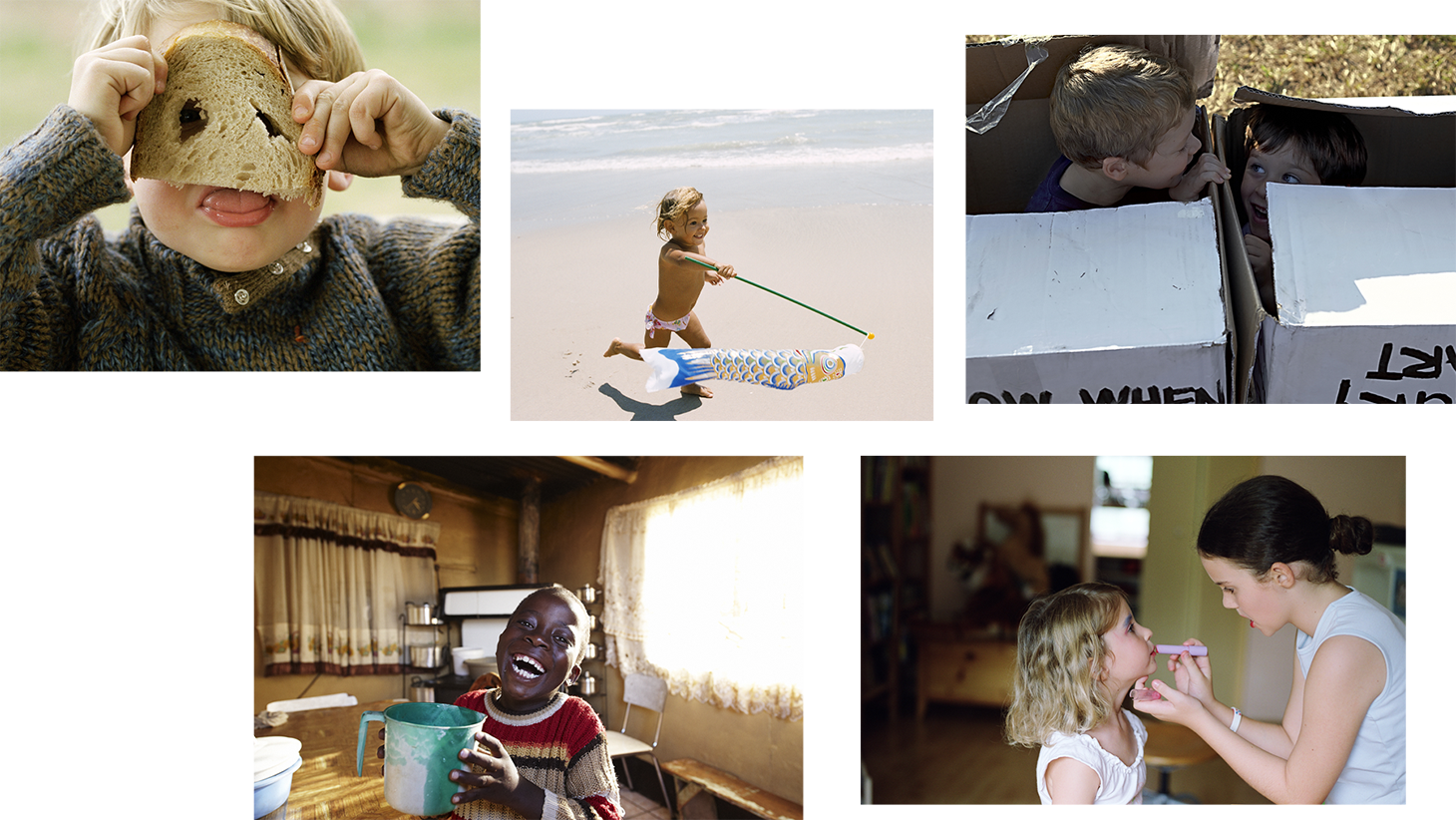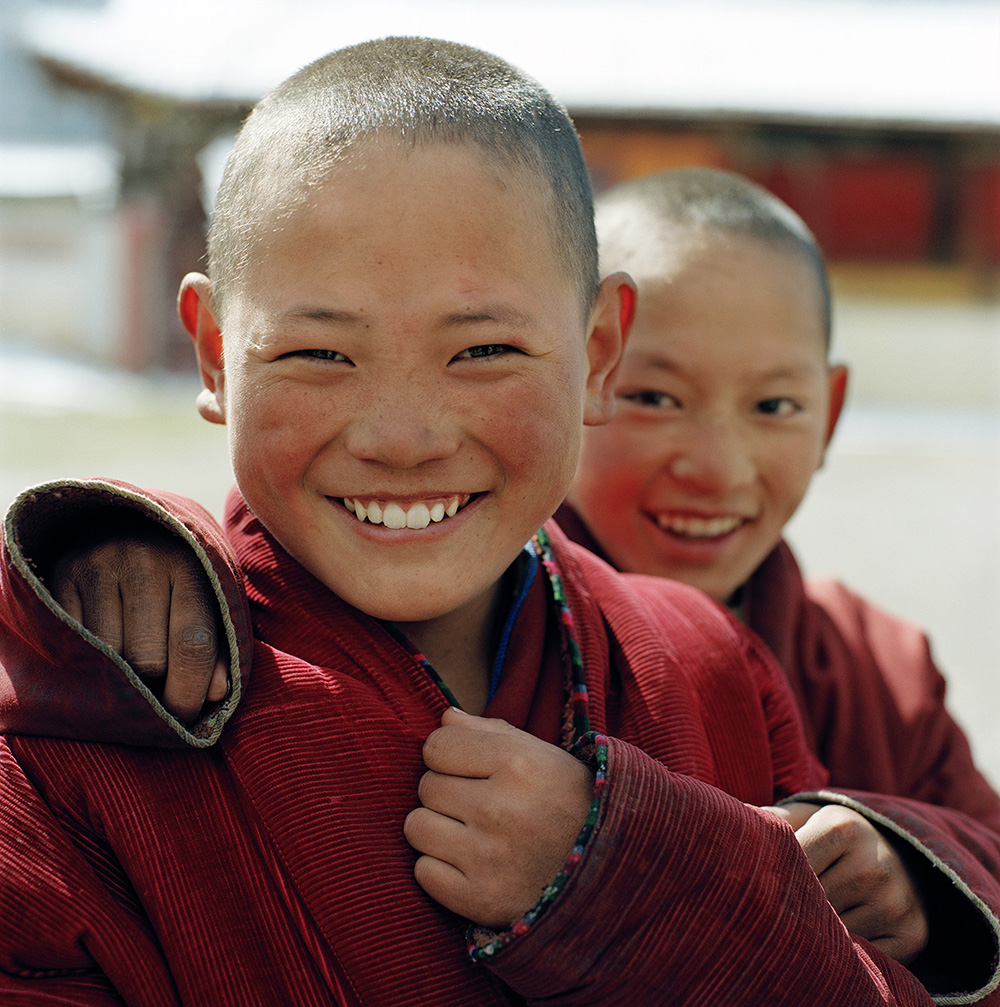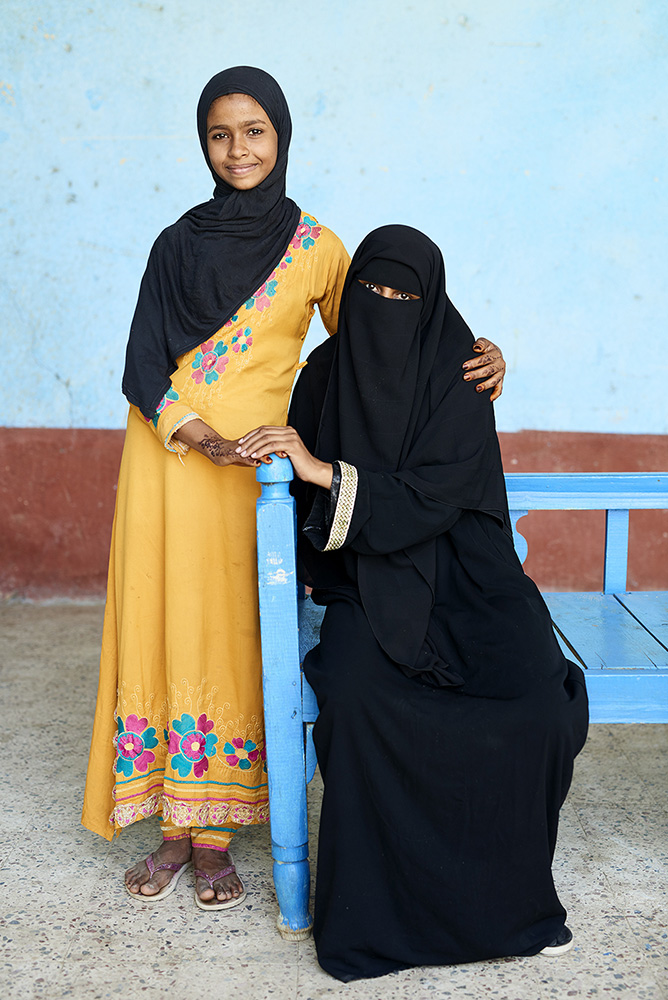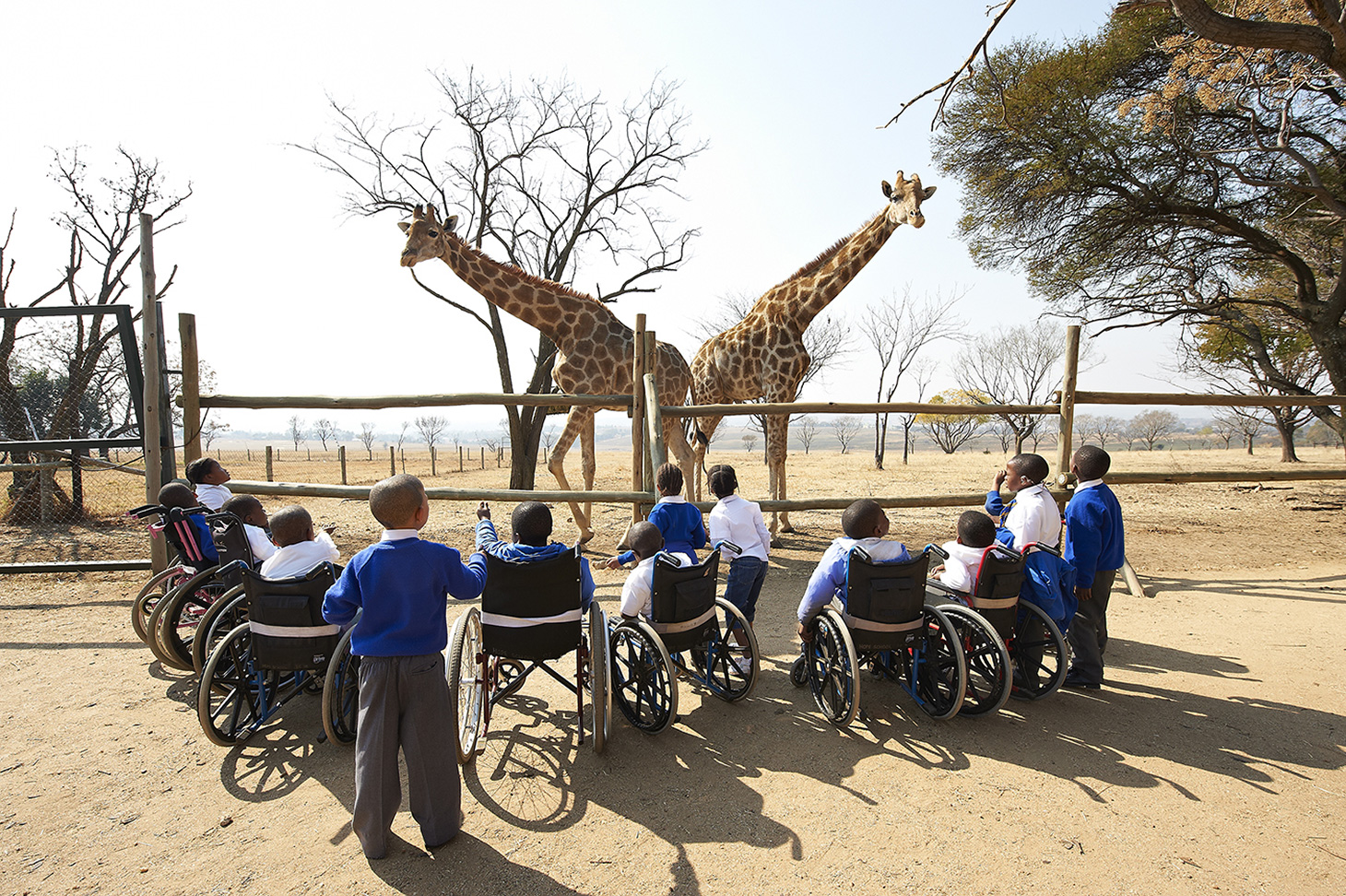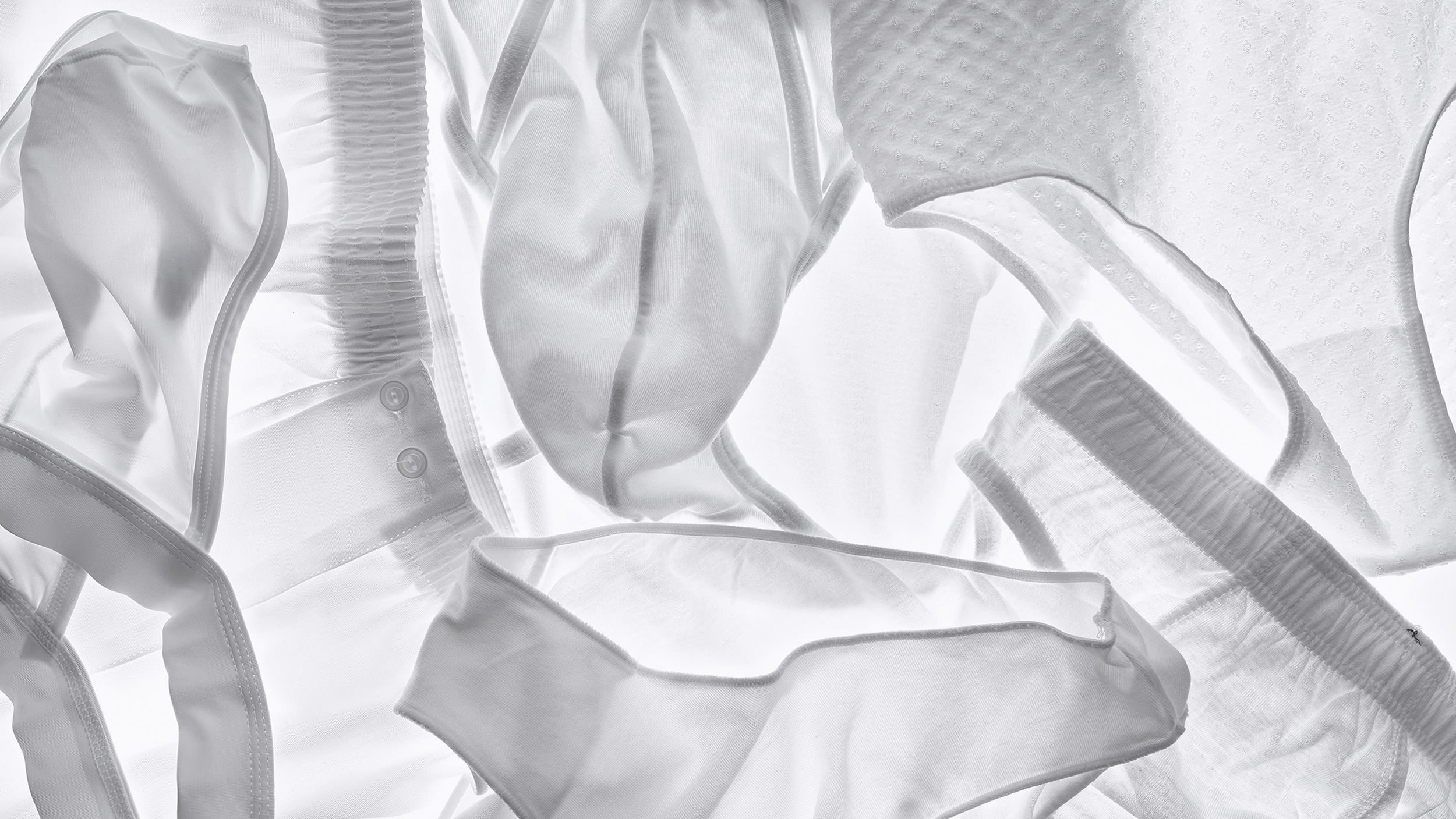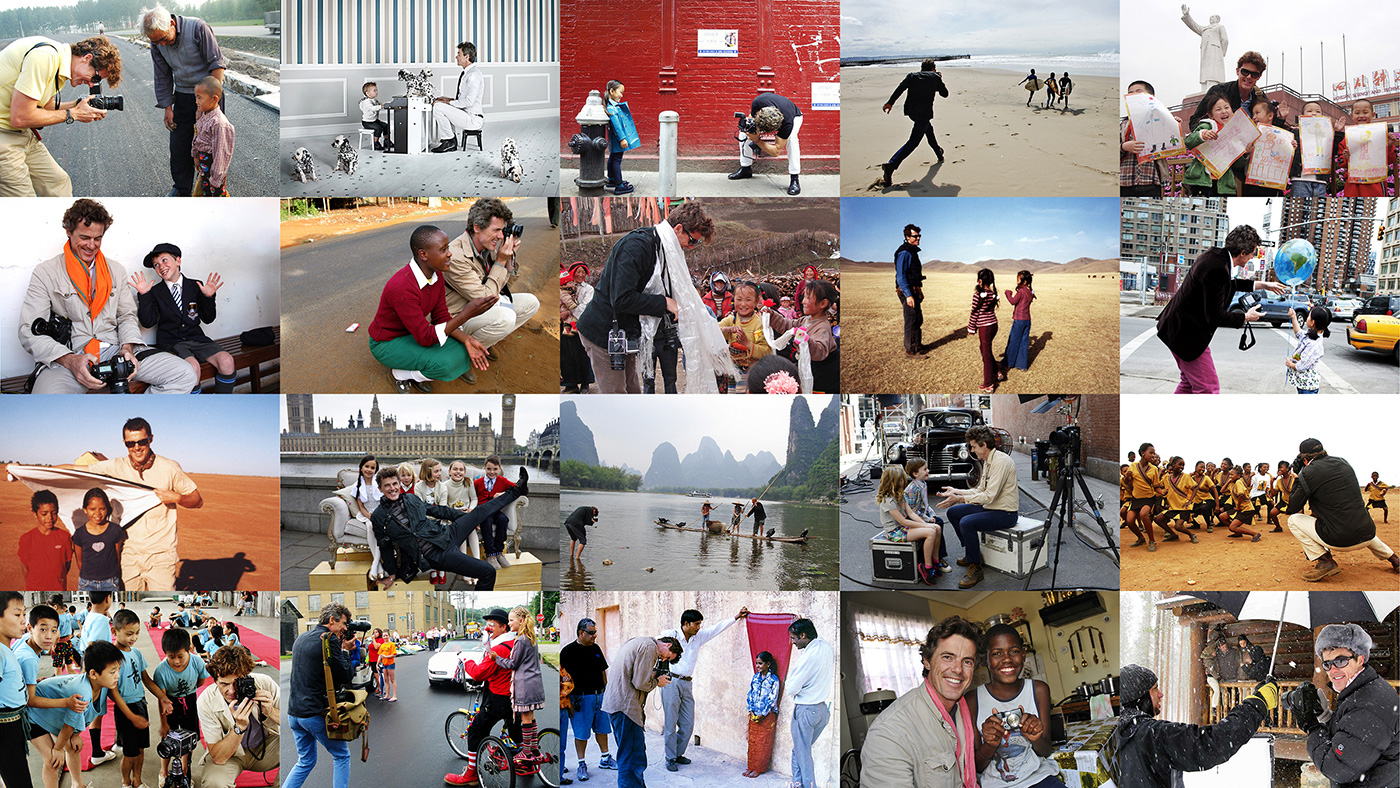
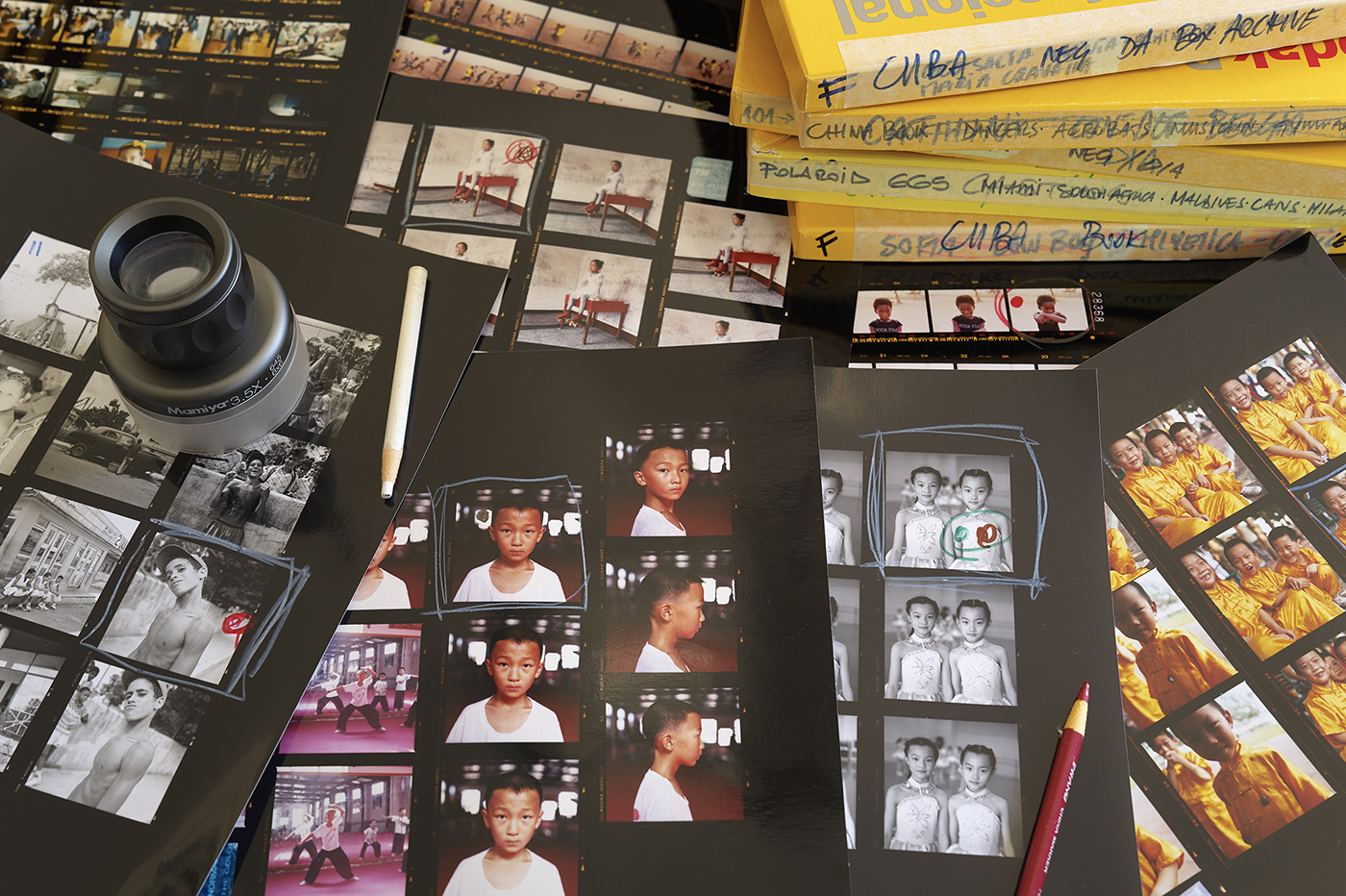
I have been photographing children for over two decades.
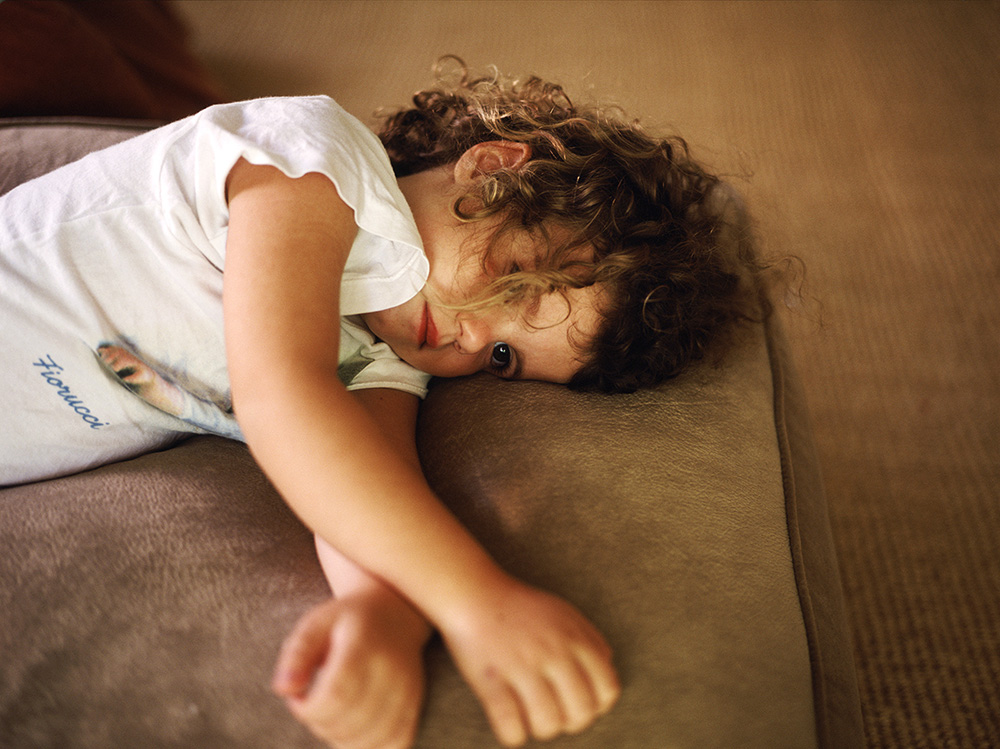
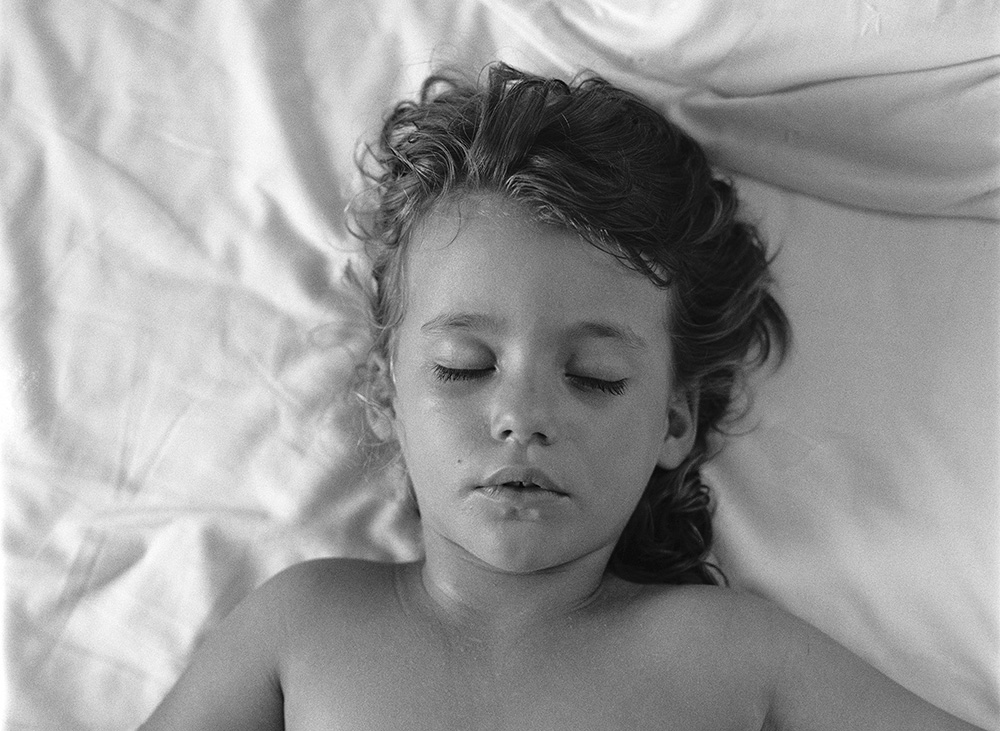
Through photography I have always tried to capture and represent the sudden spark of originality and unpredictability that has always fascinated me about children. The spontaneous and curious approach they have to reality is a lens through which we can learn to look at the world with fresh eyes.
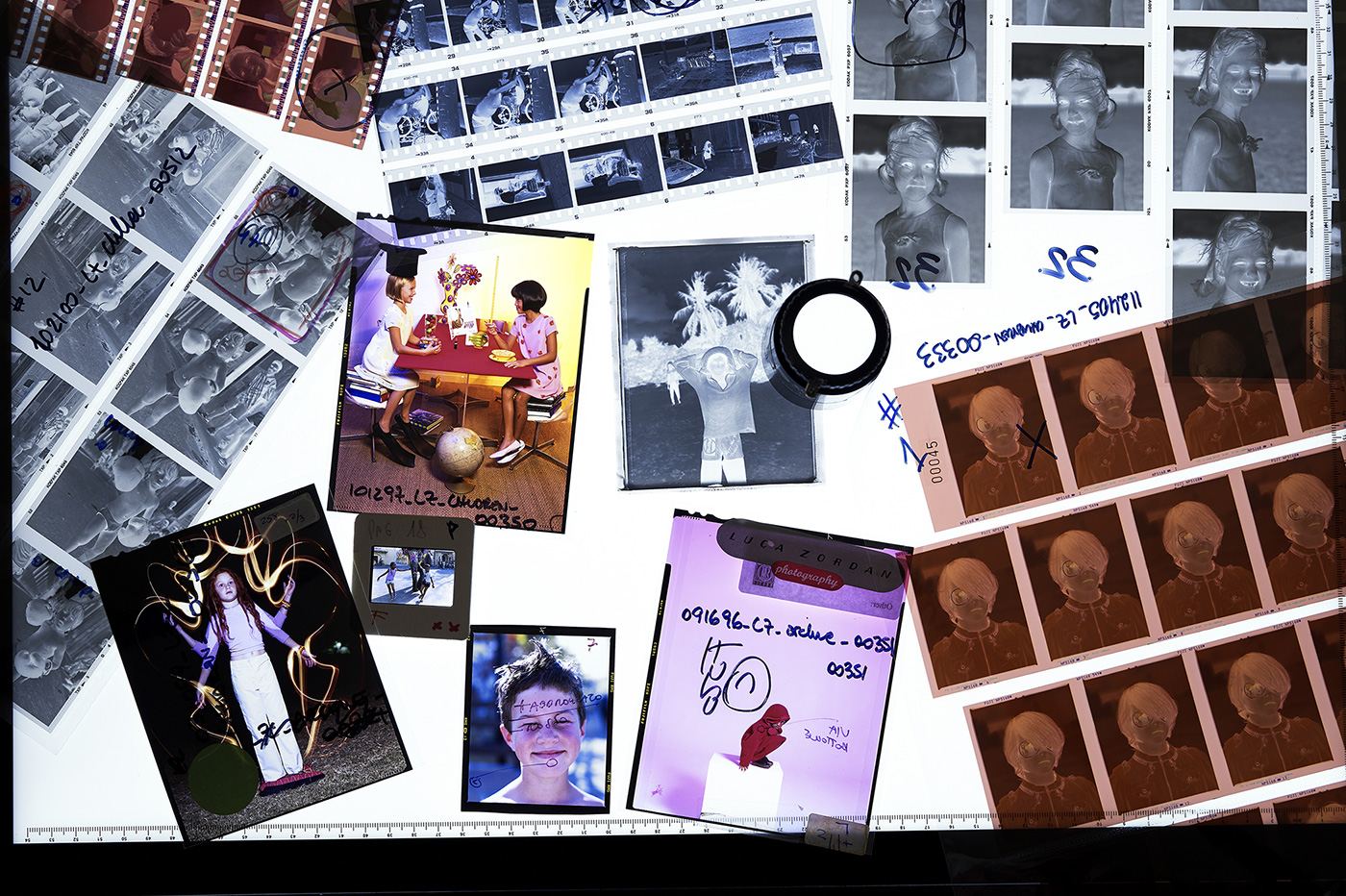
I have found that children
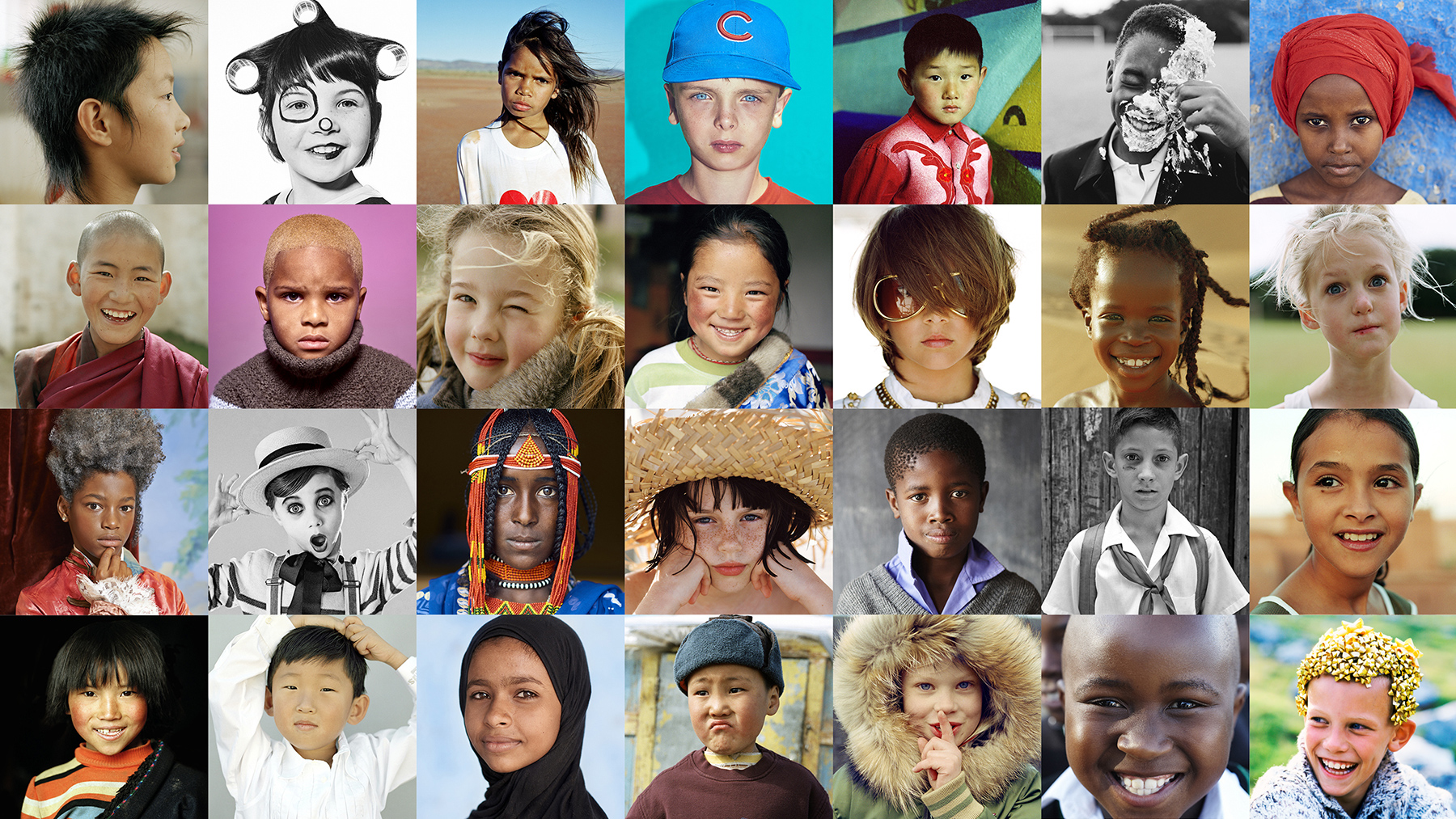
throughout the world share a blank slate with which to express their emotions and reactions and until their cultural and societal expectations mold them, they are a reflection of our intrinsic humanity. I have found much beauty in my work as it has facilitated encounters with different cultures and places, realities and stories that have marked and shaped me over the years.
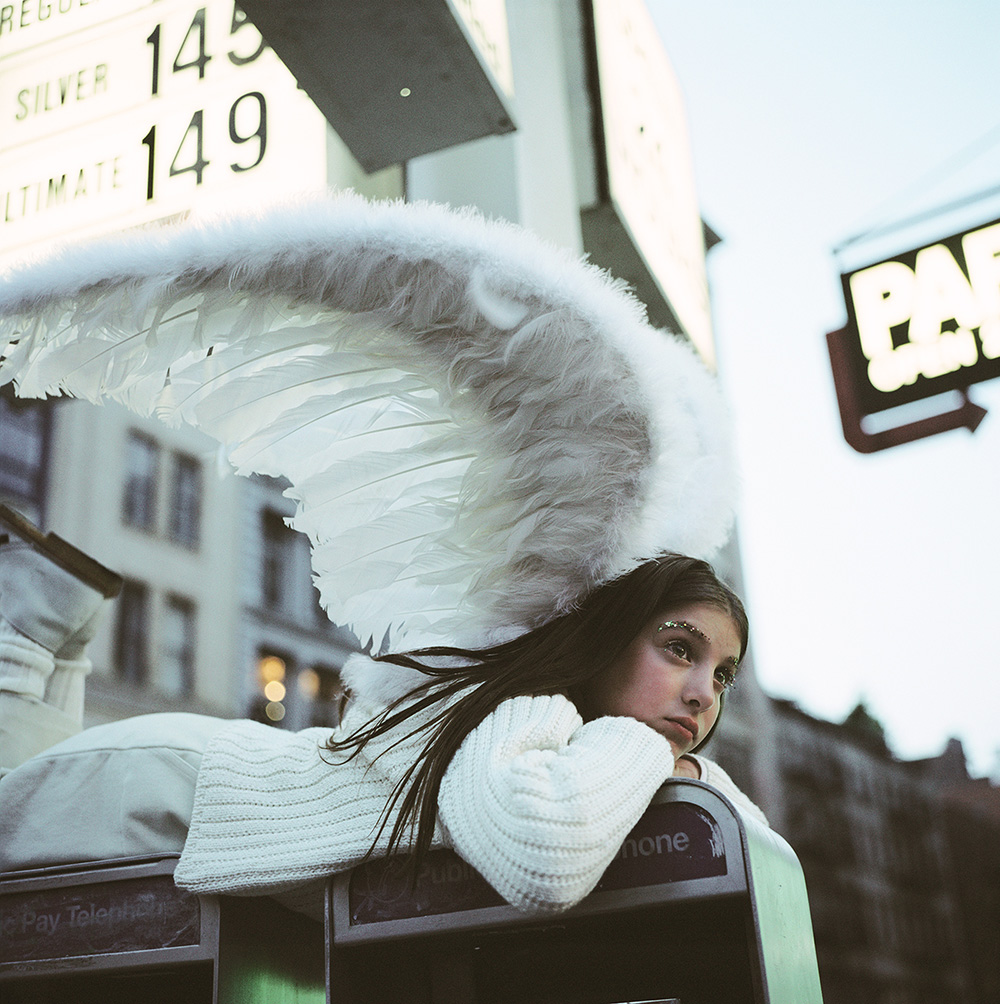
Entering a child’s imagination
while photographing them creates a sense of suspension, of absolute temporal lightness, as if life were to both stop and fast forward in the same perfect moment the camera immortalizes with its shutter click.
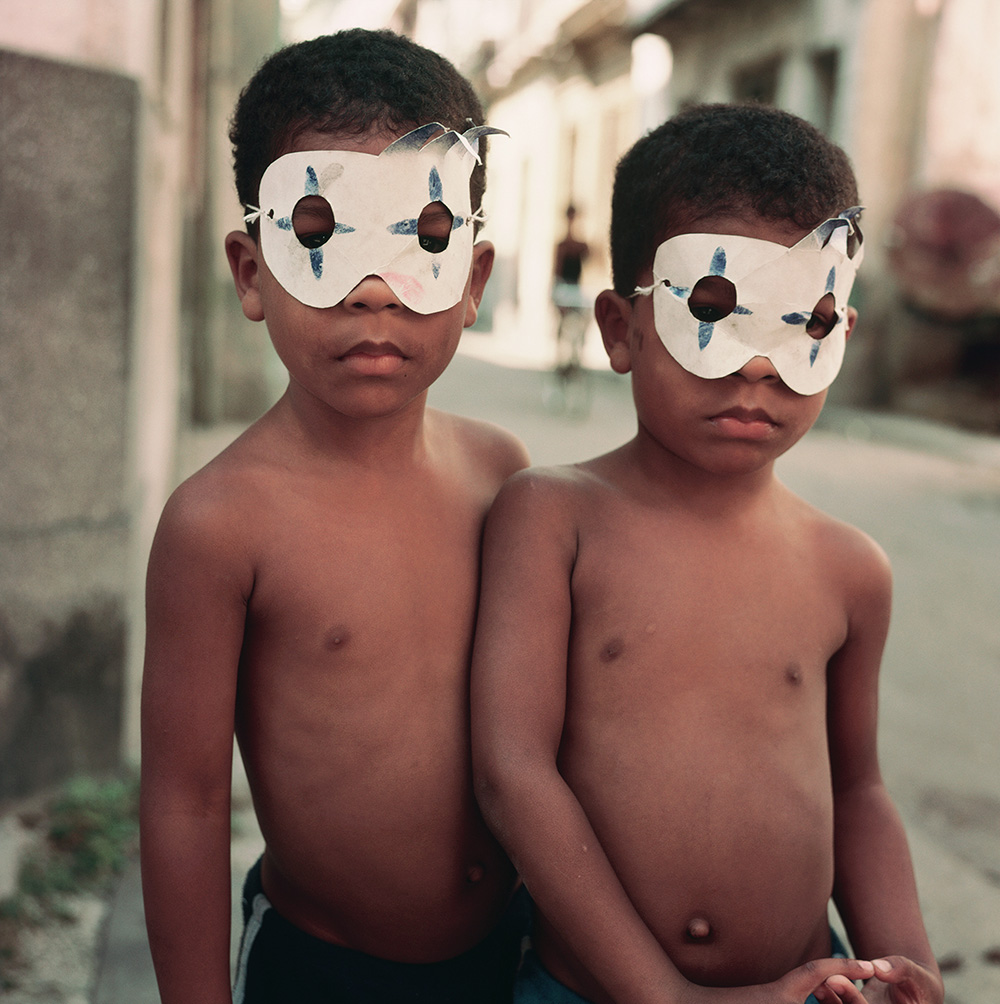


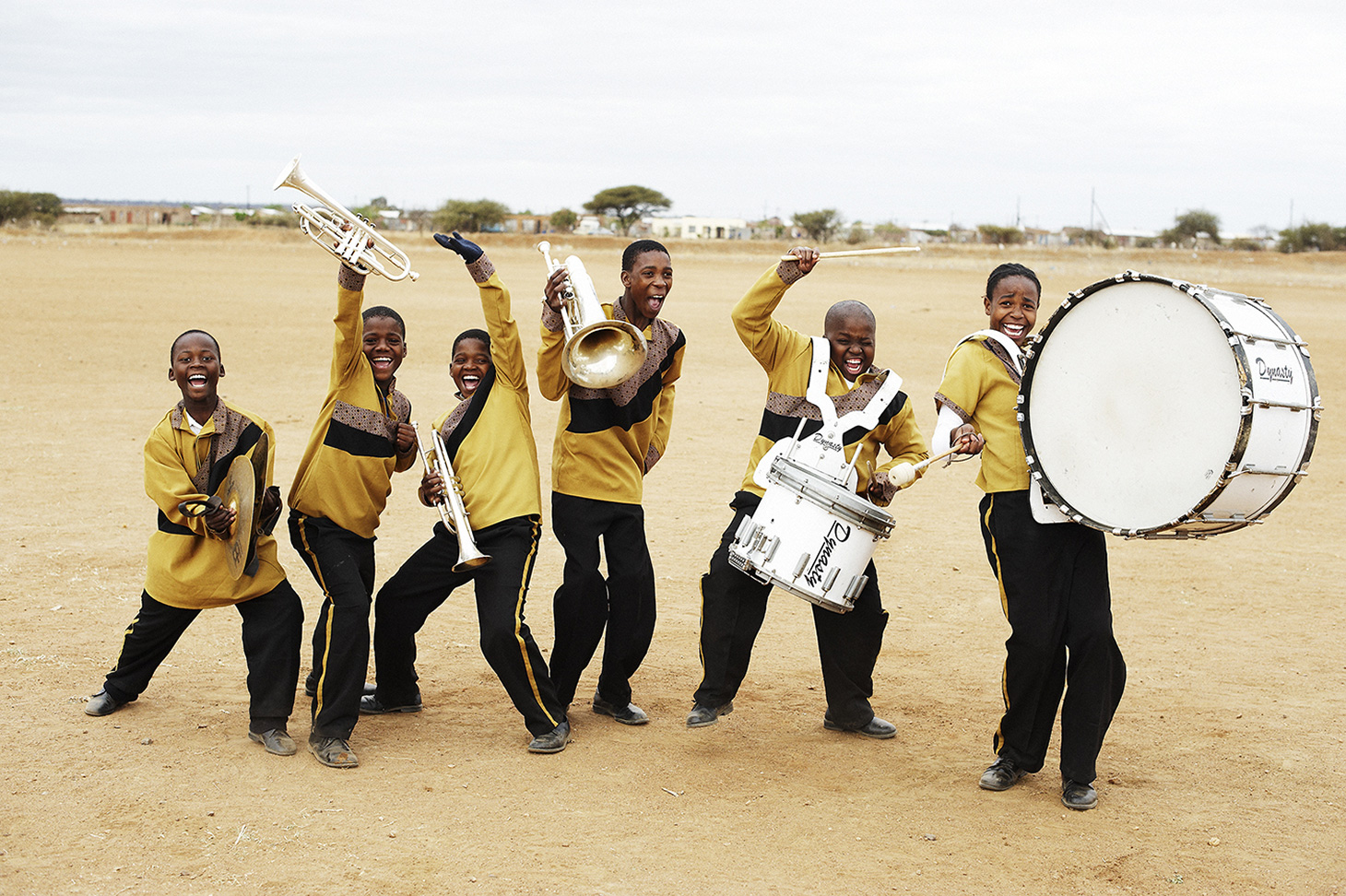
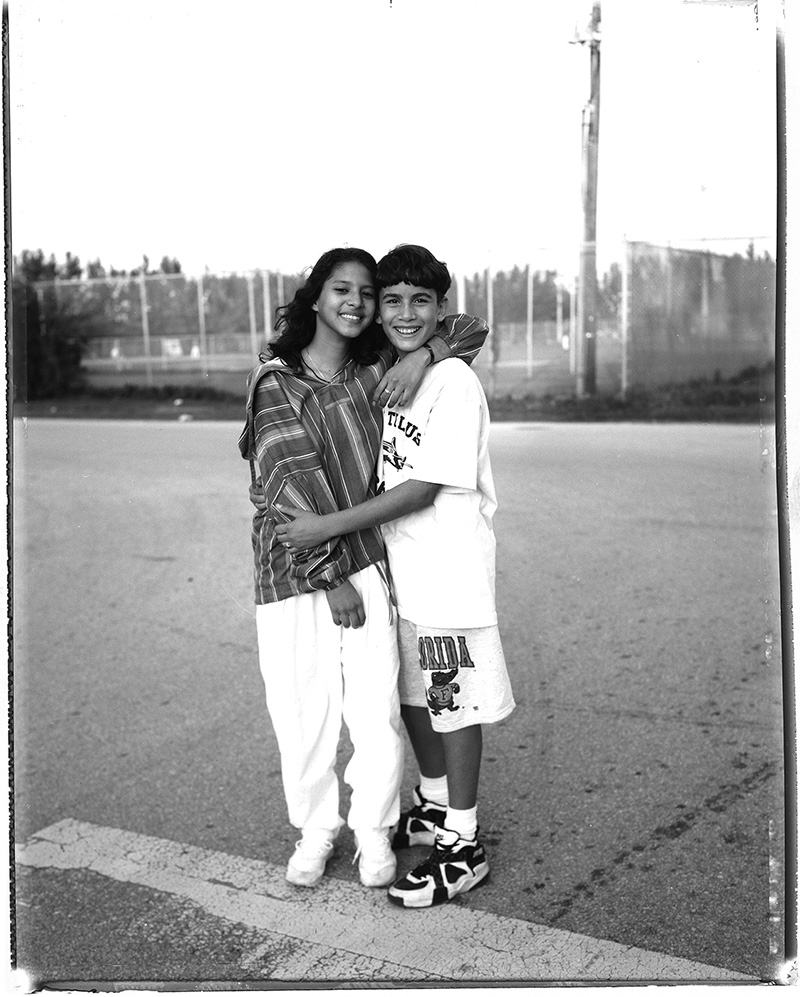
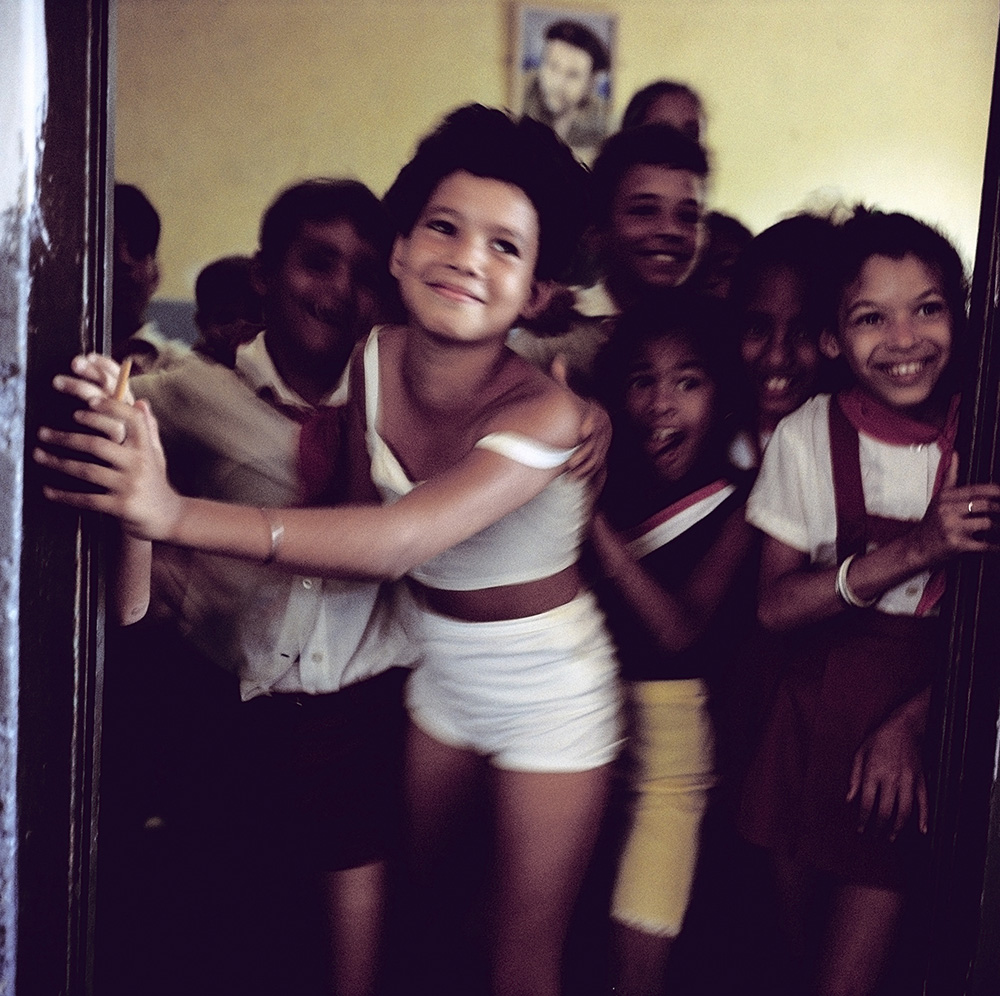
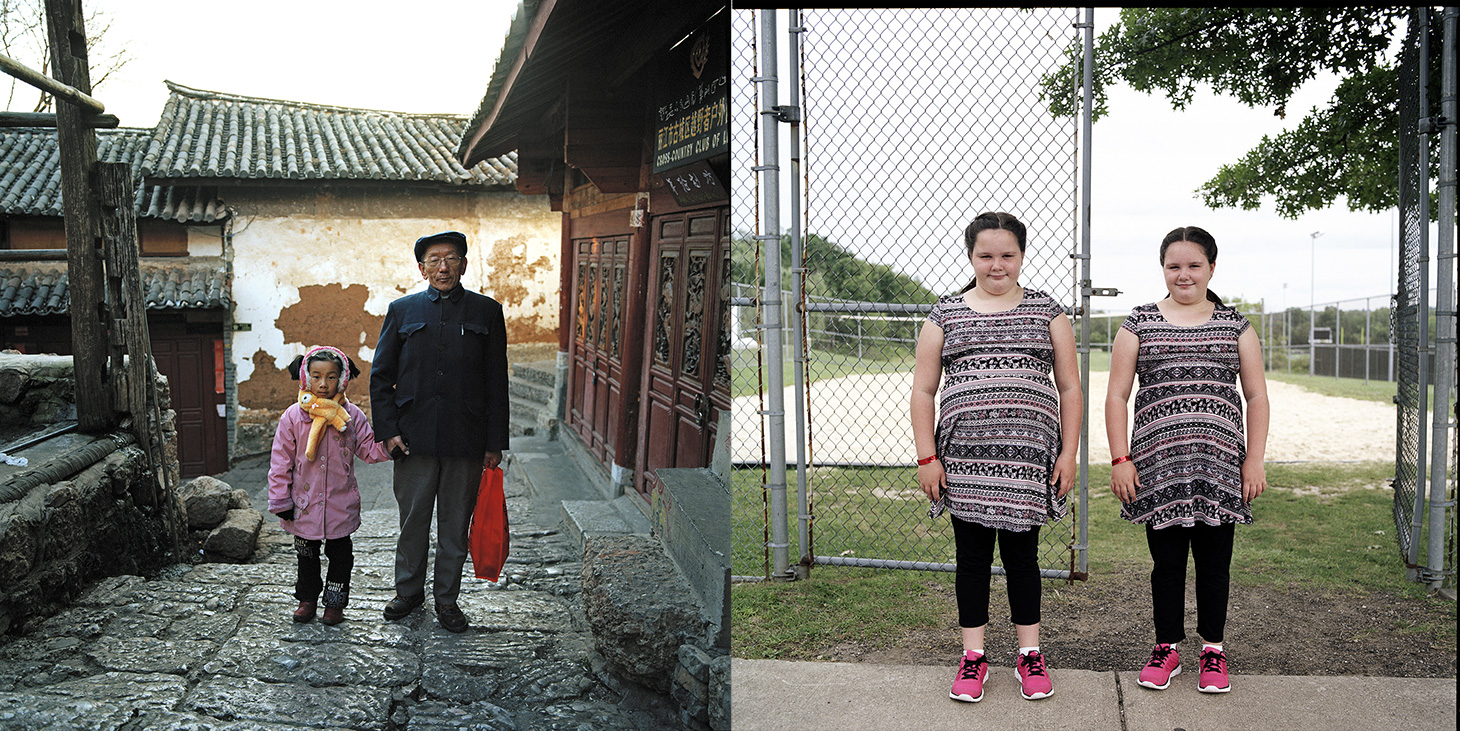
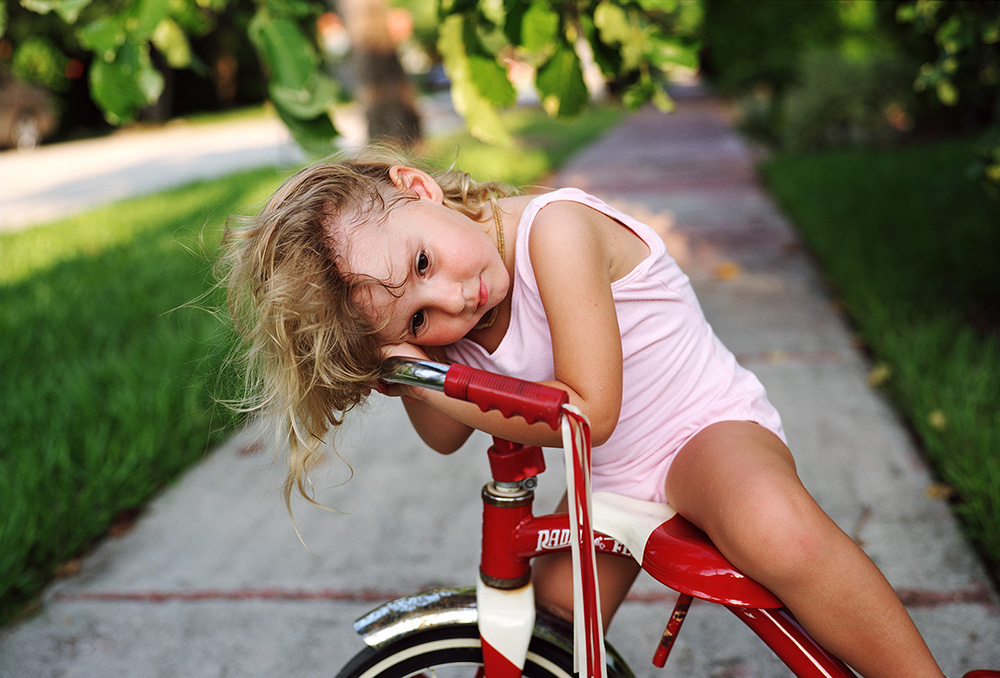
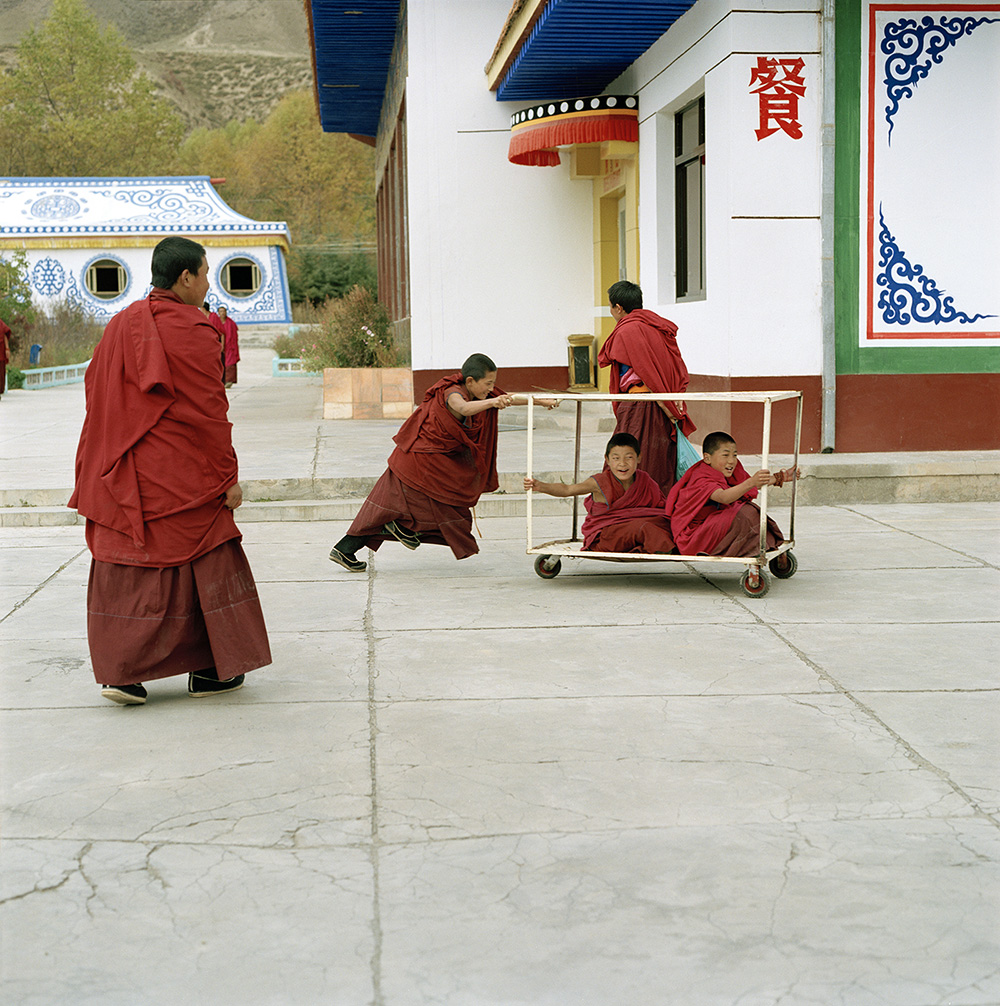
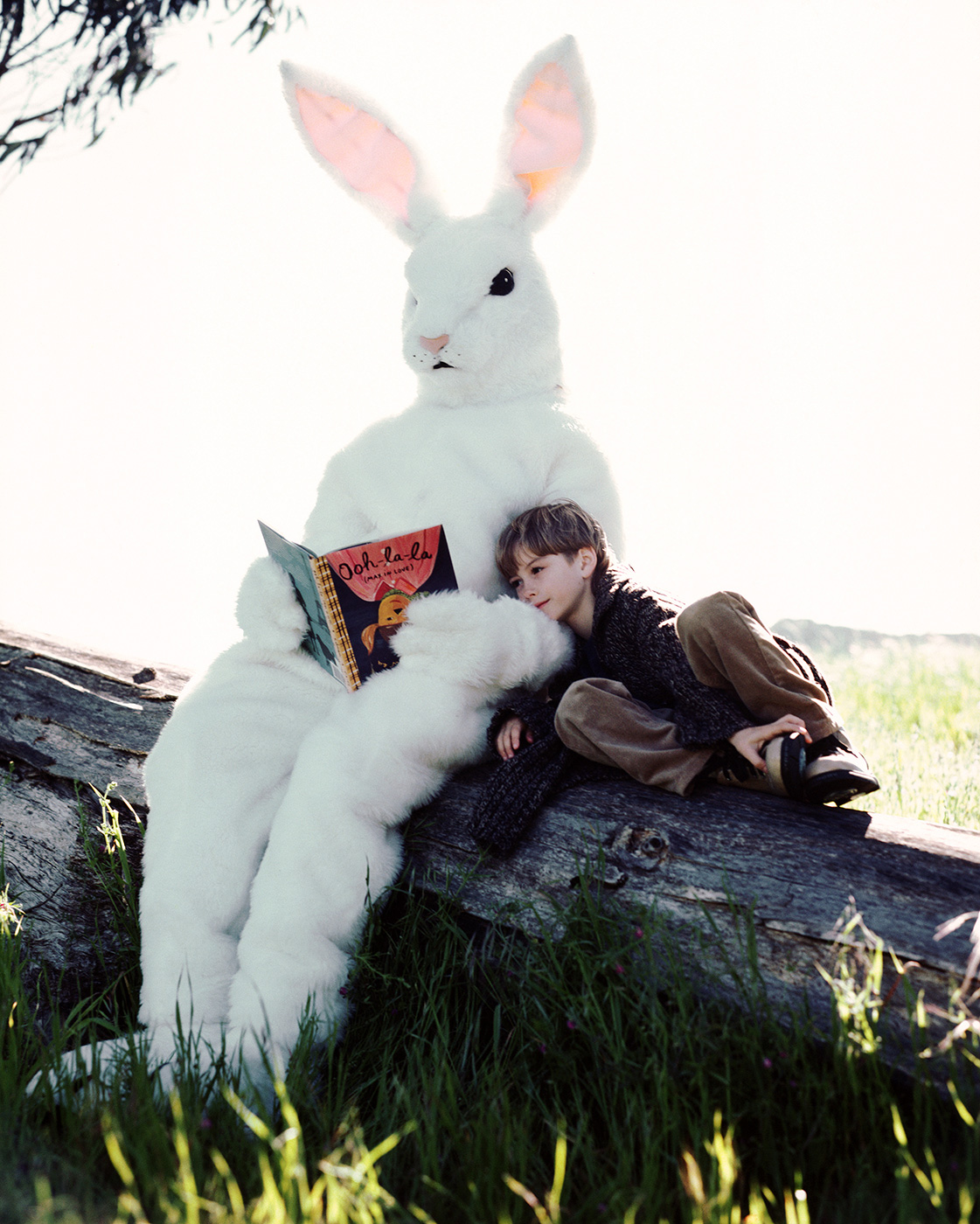
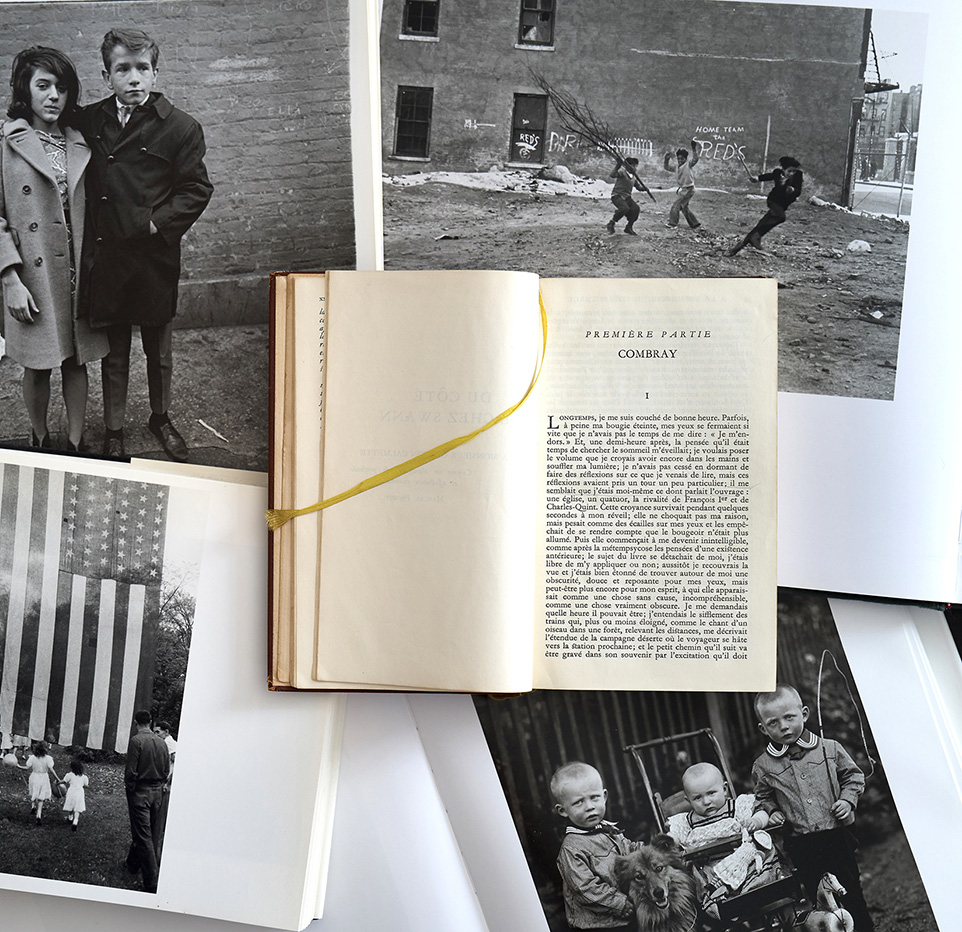
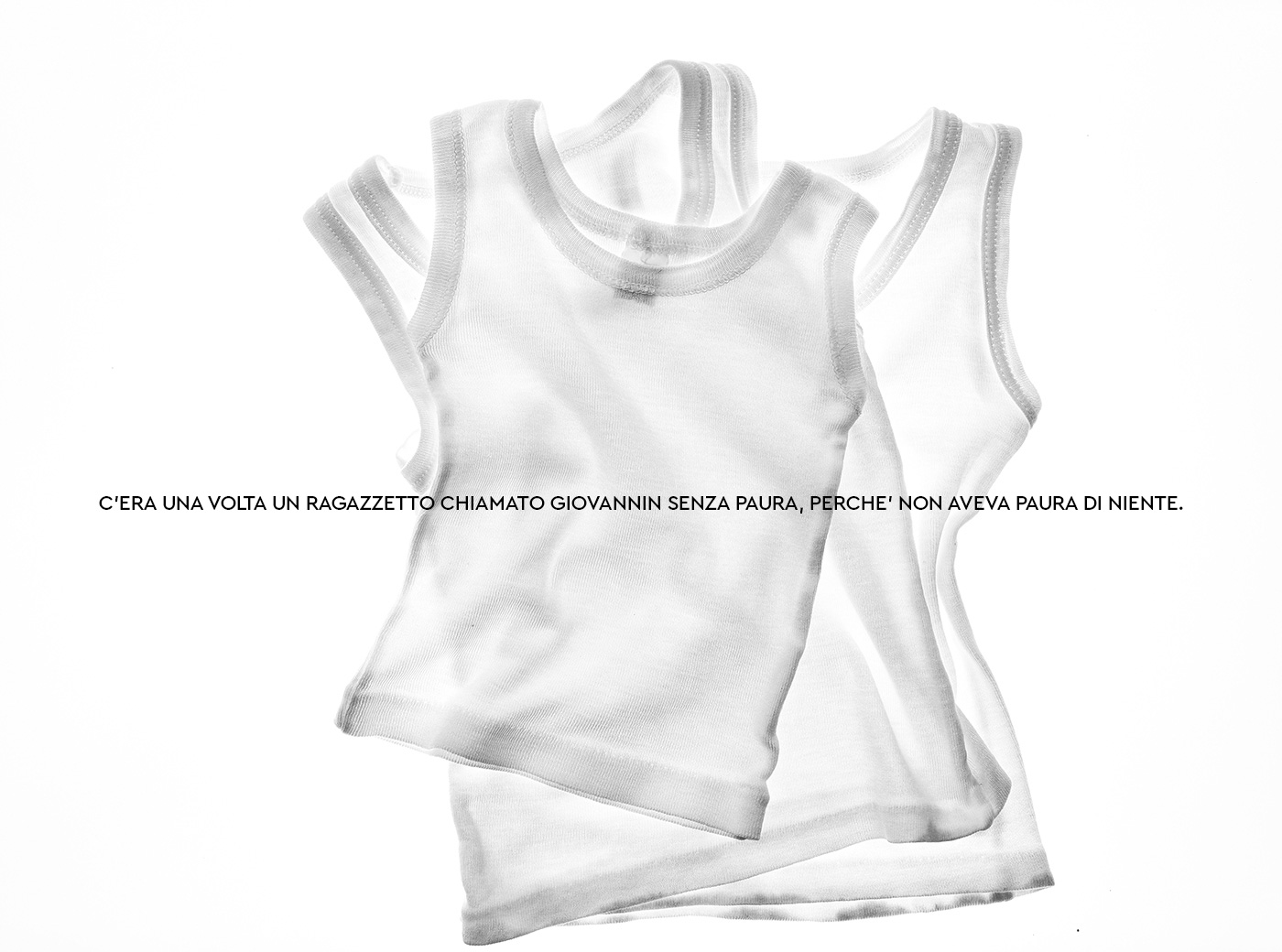
The beginning of Marcel Proust's In Search of Lost Time.
Photographs by Helen Levitt, August Sander, Robert Frank and Diane Arbus.
The AI Dilemma
Until not long ago, to take a photograph one needed a camera, something in front of the lens, and an agent-operator who, through a conscious or casual decision, determined whether the event would be recorded within the limits of the frame.
The digitisation of analog visual content and the birth of digital photography made it possible to accumulate an immense visual catalogue, accessible online, now measured in billions of images and growing larger every day. With the development of LLMs and new CPUs, these billions of images and the data they contain are analysed and processed by artificial intelligence systems in a fast and revolutionary way.
Today, a photograph can be created simply by typing a few instructions into an AI image-generation system. The result reflects the analyses and statistical choices made by algorithms trained on this vast visual archive.
In general humans experience aesthetic not only in abstract form, but also as an integral part of what causes us pleasure and happiness or anguish and fear.
Our aesthetic preferences are based on our cognitive and emotional limitations, machines do not have these constraints, they can develop complex works that exceed our understanding.
Virtual reality and artificial intelligence are progressively absorbing and colonising the real world and the natural intelligence that have defined humanity until now.
How do I position myself
in the face of these developments, which I believe to be inevitable?
Reflecting on the implications of AI within photography, the idea of altering my relationship with image-making, of finding myself in front of a screen instead of out in the world looking through the viewfinder of a camera, troubles me.
I will miss one of the most essential gestures in taking a photograph: choosing what will remain outside the frame, knowing and considering what must be cut from reality, and visualising the open space that lies ahead.
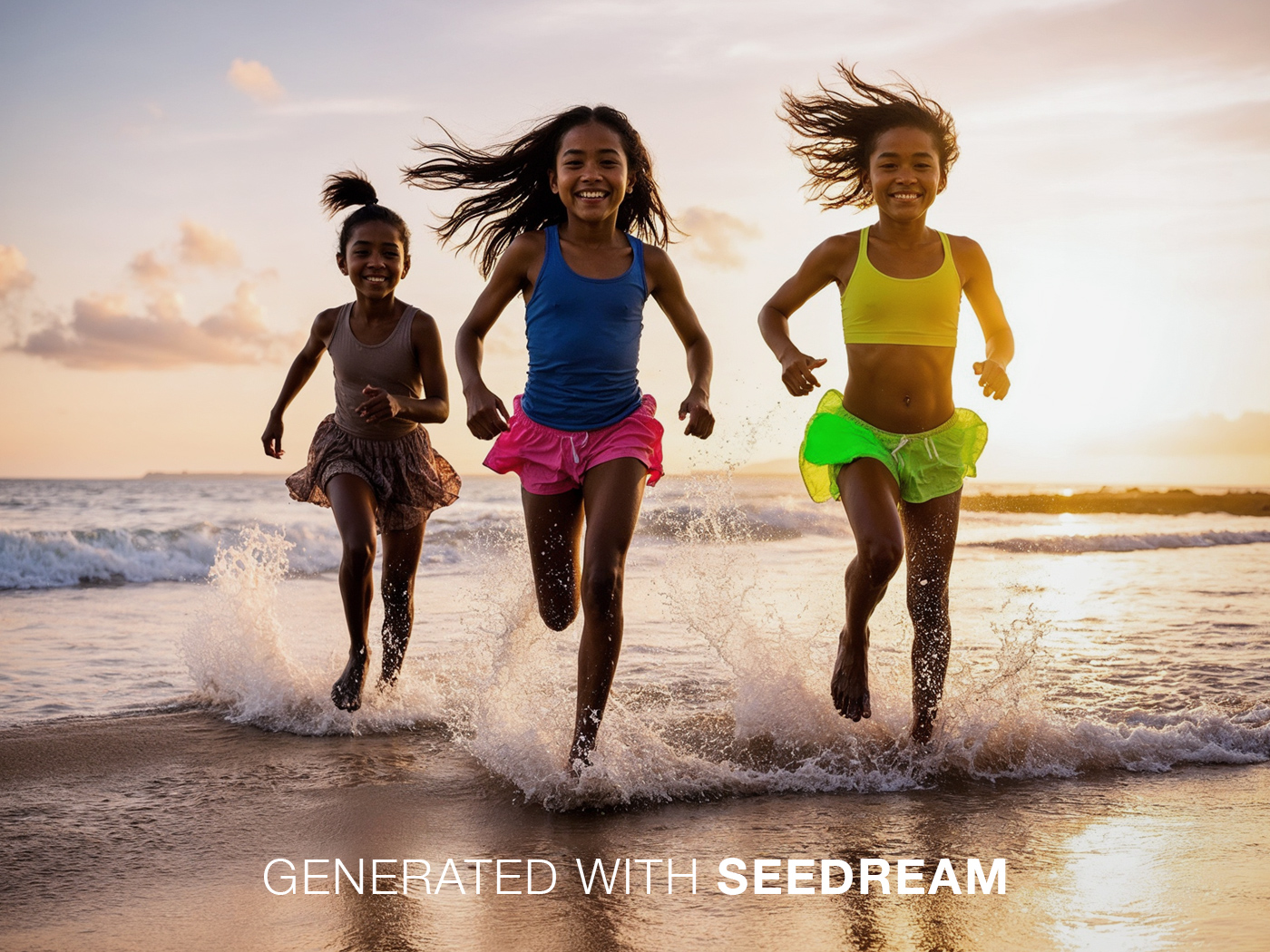
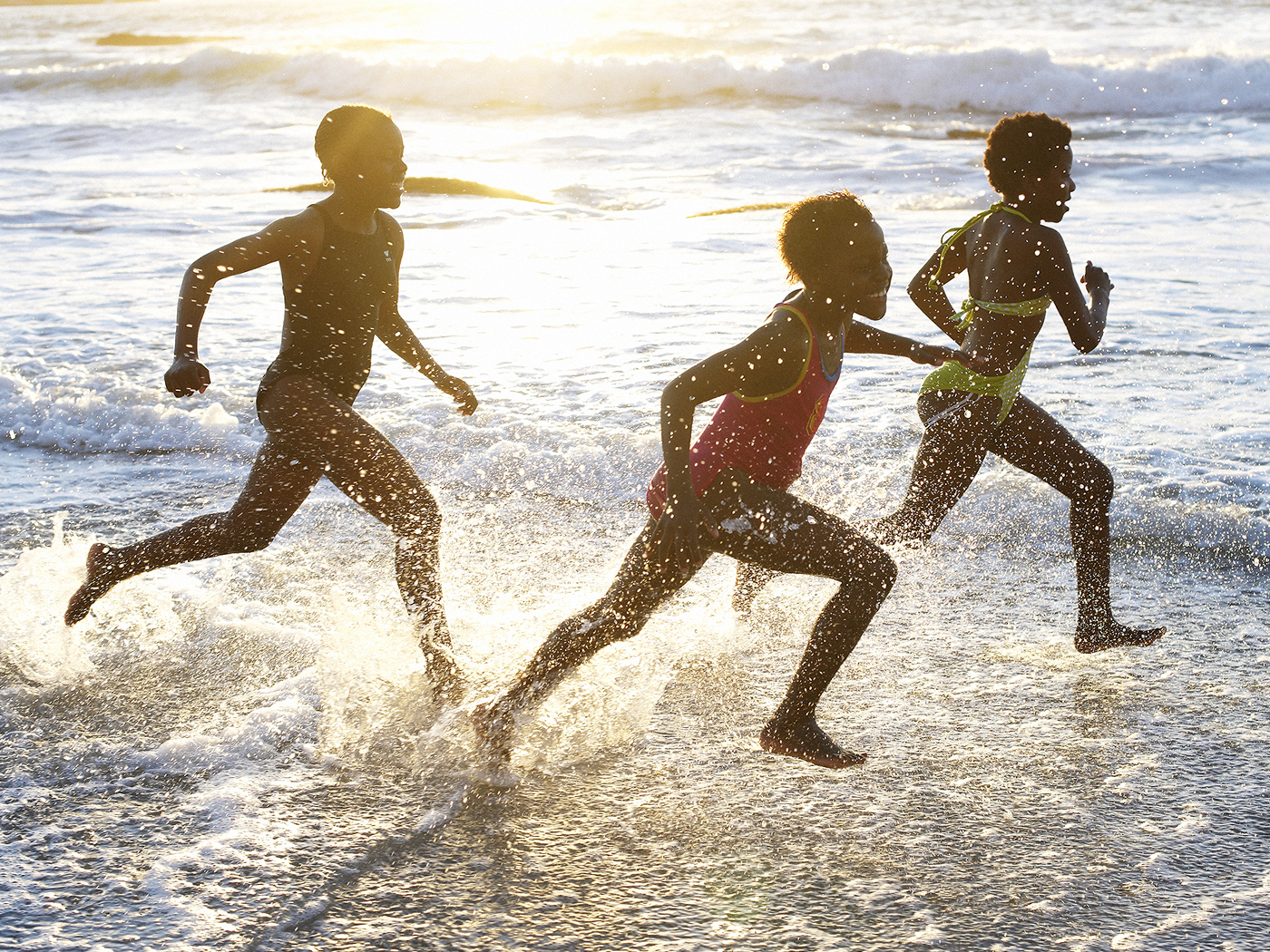
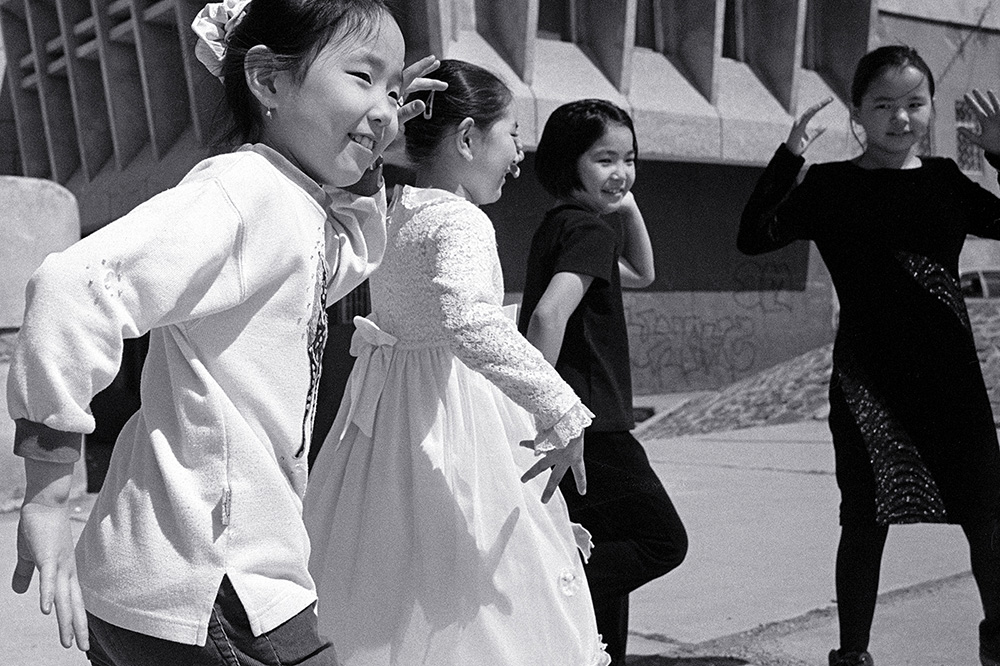
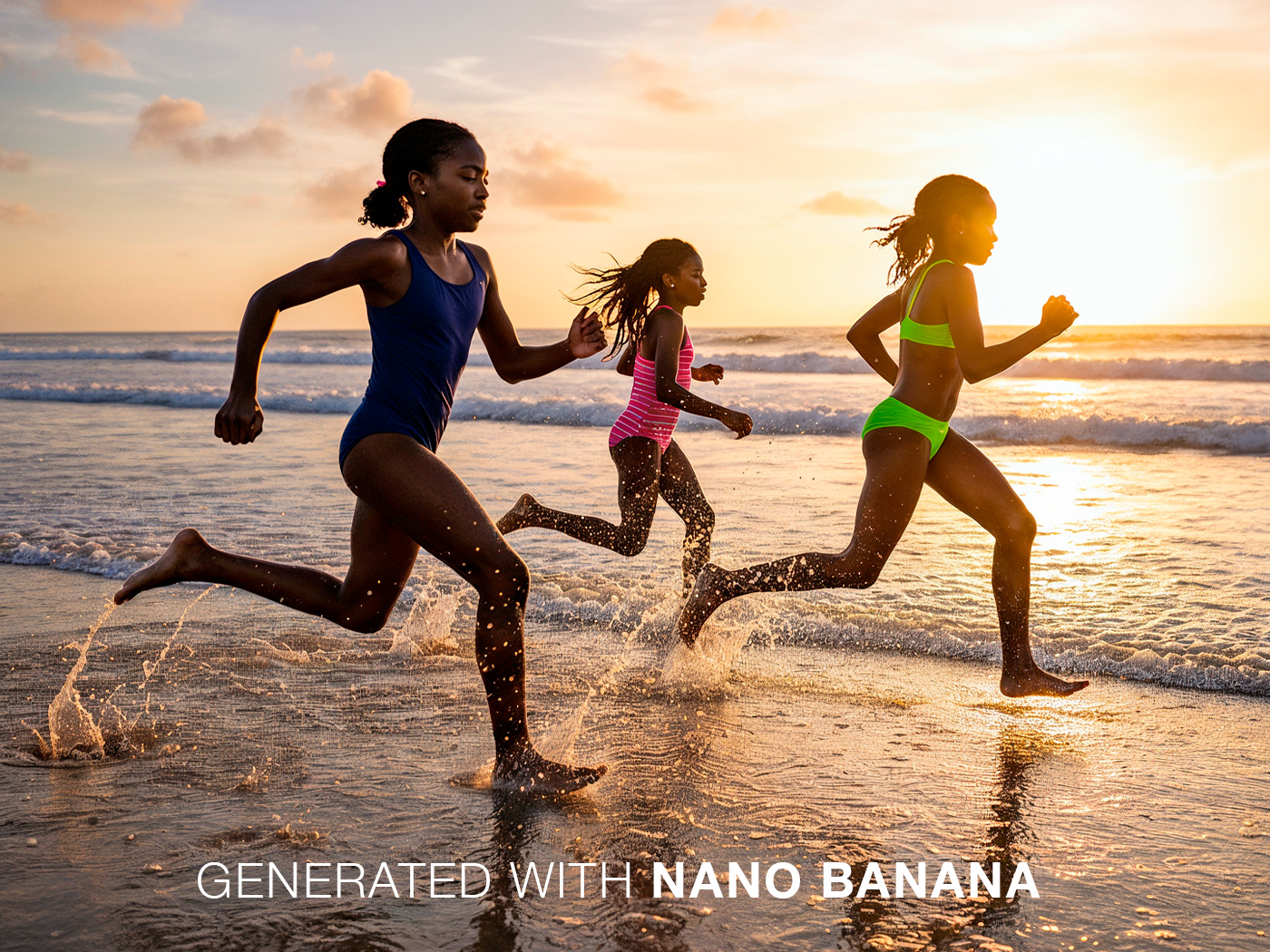
This picture was
taken in Cape Town,
its AI version will lack the coffee at Zurich airport before the flight to South Africa, the weight of the bag filled with cameras, the small and large decisions such as the casting to find the three girls, the choice of location and time of day, the run along the beach with water up to our knees, the smiling faces of their mothers, the sound of the sea, the backlight that caught the droplets lifted into the air by their running, the drink we shared afterwards once we had dried off. And I will miss being able to imagine, now as I write years later, where they might be and what their future may have become.
AI images may one day create a new visual aesthetic. For now, I hold on to the certainty that the pictures we make contain the flow of life, revealed through places, objects and, above all, people. Our pictures remind us that we have lived an experience in time and space. They allow us to reclaim our humanity.
Perhaps our weakness towards AI can come to our aid, because the impossibility of understanding and analyzing everything, in a world of infinite and unlimited artificial capacity, that finite, exclusive, obsessively limited creative space, can become the space where human art can still be relevant.